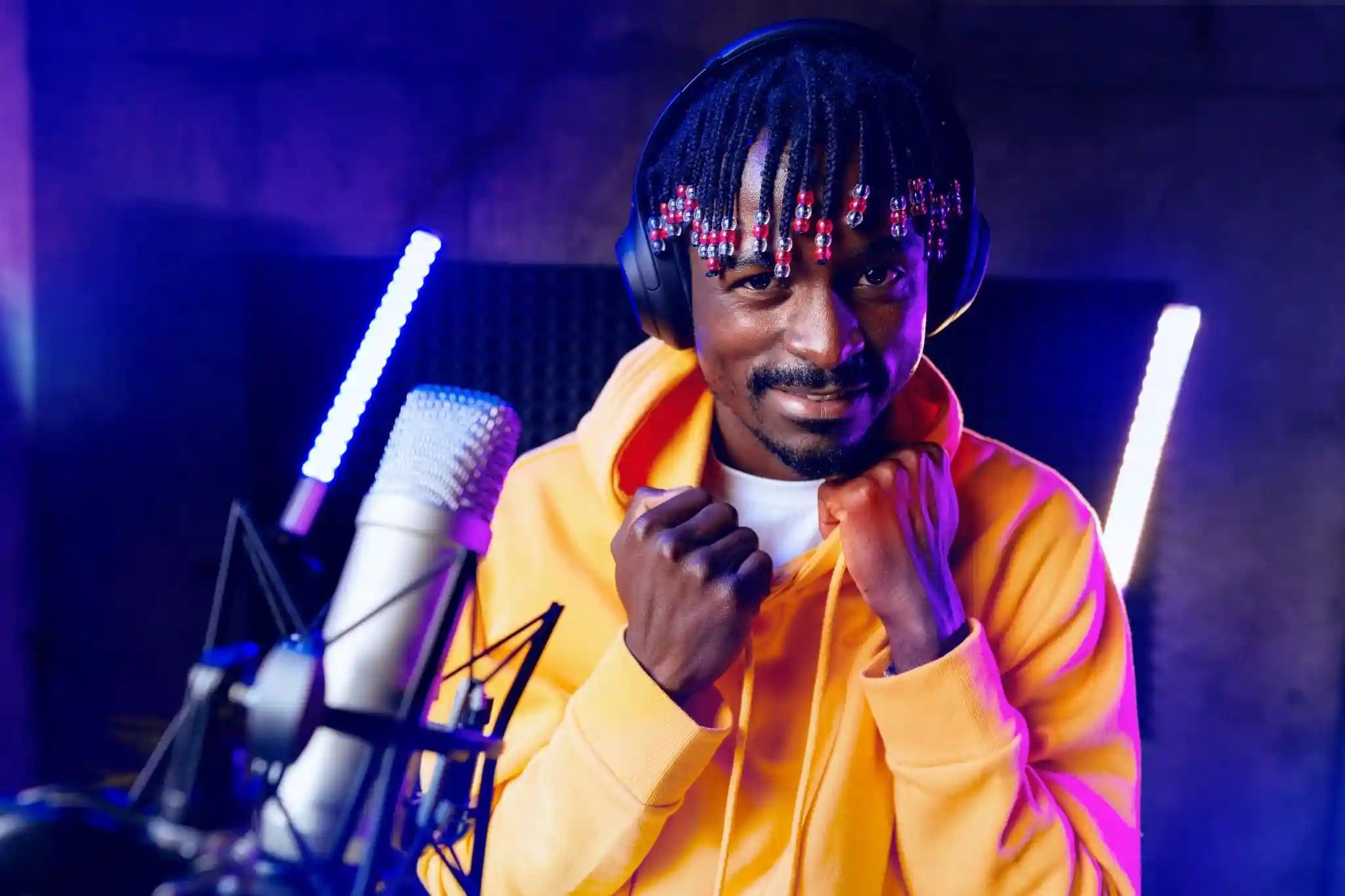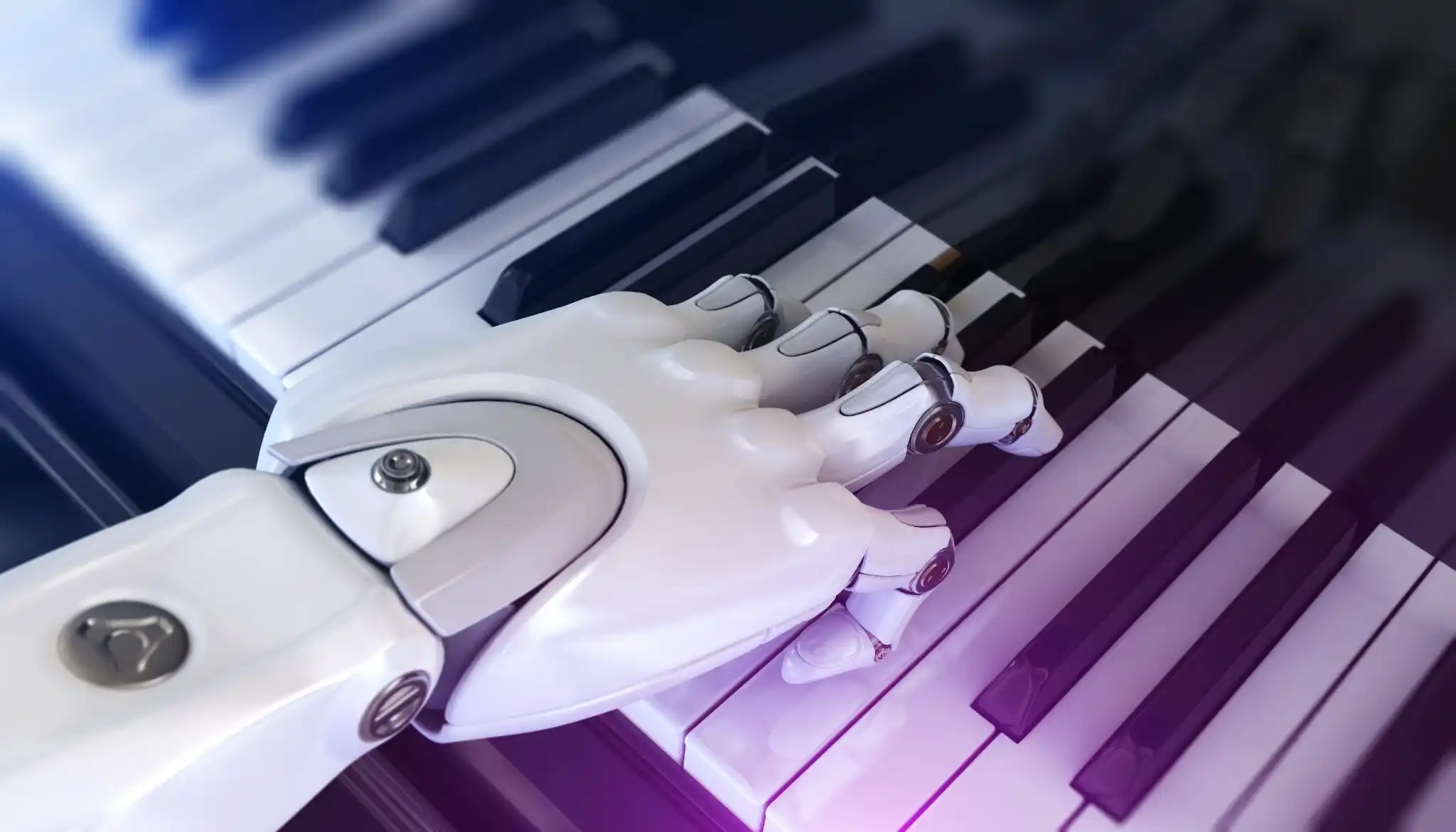

The music industry is undergoing a silent revolution. AI music tools are no longer just experimental software; they have become indispensable companions for producers, composers, and hobbyists alike. From generating melodies in seconds to mastering tracks with precision, artificial intelligence is redefining how music is created and experienced. While some fear that AI might replace human creativity, experts emphasize that its real value lies in collaboration, helping artists unlock ideas they might never have imagined. In this article, we explore what AI music tools are, how they work, their advantages, limitations, and what the future may hold for AI-assisted music production.
Understanding AI Music Tools
What AI Music Tools Are
AI music tools are software applications that use artificial intelligence to perform tasks traditionally handled by human musicians and producers. Unlike conventional music production software, which requires the user to manually input every note, beat, and effect, AI music tools can generate entire compositions or suggest musical elements automatically. These tools rely on algorithms trained on vast datasets of existing music, learning patterns, chord progressions, and stylistic nuances. They are capable of assisting in composition, arrangement, sound design, mixing, and even mastering.
For instance, an AI tool can generate a pop melody in the style of a famous artist or suggest a chord progression for an emotional ballad, saving hours of manual experimentation. This does not diminish the artist’s role; instead, it amplifies creativity by providing a starting point or sparking new ideas.
Key Features of AI Music Tools
Modern AI music tools offer a range of sophisticated features. They can generate harmonies, melodies, and even lyrics based on user preferences. Some tools assist in mixing by automatically balancing frequencies, panning, and volume levels. Others recommend loops or samples that match the existing track’s mood or key. Advanced AI adapts to the user’s style over time, learning whether a producer prefers minimalistic beats or complex orchestral arrangements.
This blend of automation and personalization allows artists to focus on creative decisions rather than technical minutiae, enhancing both workflow efficiency and artistic output.
How AI Music Tools Work in Music Production
The Technology Behind AI Music Tools
At the core of AI music tools is machine learning, particularly neural networks that analyze patterns in music data. These systems are trained on millions of songs, learning structures, rhythms, chord progressions, and even genre-specific characteristics. By recognizing these patterns, AI can predict what musical elements are likely to follow a given input, creating compositions that feel natural and coherent.
Deep learning models allow AI to not only mimic existing styles but also innovate by combining multiple influences. For example, an AI tool can generate a track that blends classical strings with electronic beats, producing a hybrid sound that may not exist in any single genre.
Integration in the Music Production Workflow
AI music tools can be integrated seamlessly into every stage of music production. In composition, they generate melodies, chord progressions, or even full arrangements. During production, AI assists in sound design, helping producers select samples, synth patches, or effects that complement the track. In mixing and mastering, AI ensures balanced audio levels, frequency optimization, and even stereo imaging.
Furthermore, AI acts as a collaborative partner. It can suggest alternative ideas, harmonizations, or rhythm variations, offering options a human producer may not have considered. This collaboration encourages experimentation, allowing artists to push creative boundaries while maintaining control over the final product.
Popular AI Music Tools in the Industry
AI Tools for Composition
AIVA and Amper Music are notable examples. AIVA specializes in creating orchestral and cinematic music, generating compositions that can serve as film scores or video game soundtracks. Amper Music offers intuitive AI-driven composition for creators who may not have formal training, allowing anyone to produce professional-sounding tracks in minutes. These tools democratize music creation, making it accessible to beginners and small studios alike.
AI Tools for Mixing and Mastering
Platforms like LANDR and iZotope Ozone leverage AI to handle complex mixing and mastering processes. LANDR uses machine learning to analyze your track and apply mastering effects automatically, saving hours of manual work. iZotope Ozone offers advanced AI-powered mastering assistants that consider genre, instrumentation, and even dynamic range preferences to deliver a polished, radio-ready track.
AI Tools for Sound Design and Sampling
Endel and Orb Composer exemplify AI-driven sound design. Endel generates adaptive soundscapes, blending music with ambient noise for productivity or relaxation. Orb Composer assists producers in creating unique chord progressions, melodies, and harmonies tailored to the intended mood or genre. AI in sampling can also remix loops creatively, producing novel sounds that might not have been achievable through traditional methods.
Advantages of Using AI Music Tools
AI music tools provide unmatched efficiency and accessibility. They speed up workflow, enabling artists to generate and test multiple ideas rapidly. Beginners can produce tracks without advanced technical skills, while professionals can save time on repetitive tasks, focusing on the artistic side of production.
Consistency is another key advantage. AI tools ensure mastering and mixing maintain a uniform quality across tracks, which is critical for albums, streaming, and commercial releases. They also encourage experimentation, allowing artists to explore unconventional harmonies, rhythms, or sound combinations without fear of failure.
Experts recommend combining AI suggestions with personal creativity. AI can inspire ideas, but human emotion, intuition, and storytelling remain irreplaceable components of compelling music.
Limitations and Challenges of AI Music Tools
Despite their advantages, AI music tools are not without limitations. One major challenge is the lack of emotional depth. AI can replicate patterns and styles, but capturing the nuance of human expression, subtle dynamics, imperfections, or cultural context, remains difficult.
Over-reliance on AI may also stifle creativity. Producers who depend solely on AI for composition risk producing generic tracks that lack originality. Additionally, there are copyright concerns regarding AI-generated music, especially when trained on existing datasets, which could potentially infringe on original works.
Cost is another factor. Advanced AI tools often require subscriptions or high upfront payments, which may not be feasible for hobbyists or independent artists. Balancing AI assistance with traditional methods ensures the best outcomes without compromising creativity.
The Future of AI in Music Production
The future of AI in music is collaborative rather than replacement-driven. Experts predict that AI-human partnerships will become the norm, with AI handling repetitive or technical tasks while humans focus on creative vision. Fully autonomous music generation may exist for niche applications like background scores or adaptive game soundtracks, but the emotional resonance of human-composed music remains irreplaceable.
AI could also revolutionize live performances. Imagine adaptive AI systems that respond to audience reactions in real-time, creating immersive and personalized concert experiences. This integration of AI into both production and performance could redefine the music industry in the coming decade.
Conclusion
AI music tools are transforming the landscape of music production. They provide unprecedented speed, inspiration, and accessibility, allowing both professionals and amateurs to explore new creative possibilities. While they cannot replace the emotional depth and intuition of human musicians, their role as collaborative partners is undeniable. By combining AI assistance with human creativity, the future of music promises innovation, efficiency, and artistic growth. Musicians who embrace AI will likely find new pathways for expression, while maintaining the personal touch that makes music resonate with listeners.
FAQs
1. How accurate are AI music tools in creating professional-level music?AI music tools can produce high-quality tracks that meet industry standards, particularly in arrangement, mixing, and mastering. While they excel at technical consistency, the emotional nuances of human composition still require human input for truly compelling music.
2. Can AI music tools replace human composers completely?No. AI is a creative assistant, not a replacement. While it can generate melodies and arrangements, human intuition, cultural context, and emotional storytelling remain irreplaceable in music production. AI works best when paired with human creativity.
3. Are AI-generated music tracks copyright-free and safe to use commercially?It depends on the tool and dataset used. Many AI tools provide royalty-free tracks, but some use copyrighted material for training. Always check licensing agreements to ensure commercial usage is legally permitted.
4. Which genres benefit most from AI music tools?Pop, electronic, cinematic, and ambient genres often see the most impact. AI excels at pattern-based music but can also assist in hybrid styles or experimental compositions by generating ideas outside traditional frameworks.
5. How can beginners start using AI music tools effectively?Start with AI-assisted composition platforms like Amper or AIVA. Focus on exploring melodies, chord progressions, and loops, then gradually integrate human arrangement and production skills. Pairing AI suggestions with personal creativity ensures unique and professional results.