
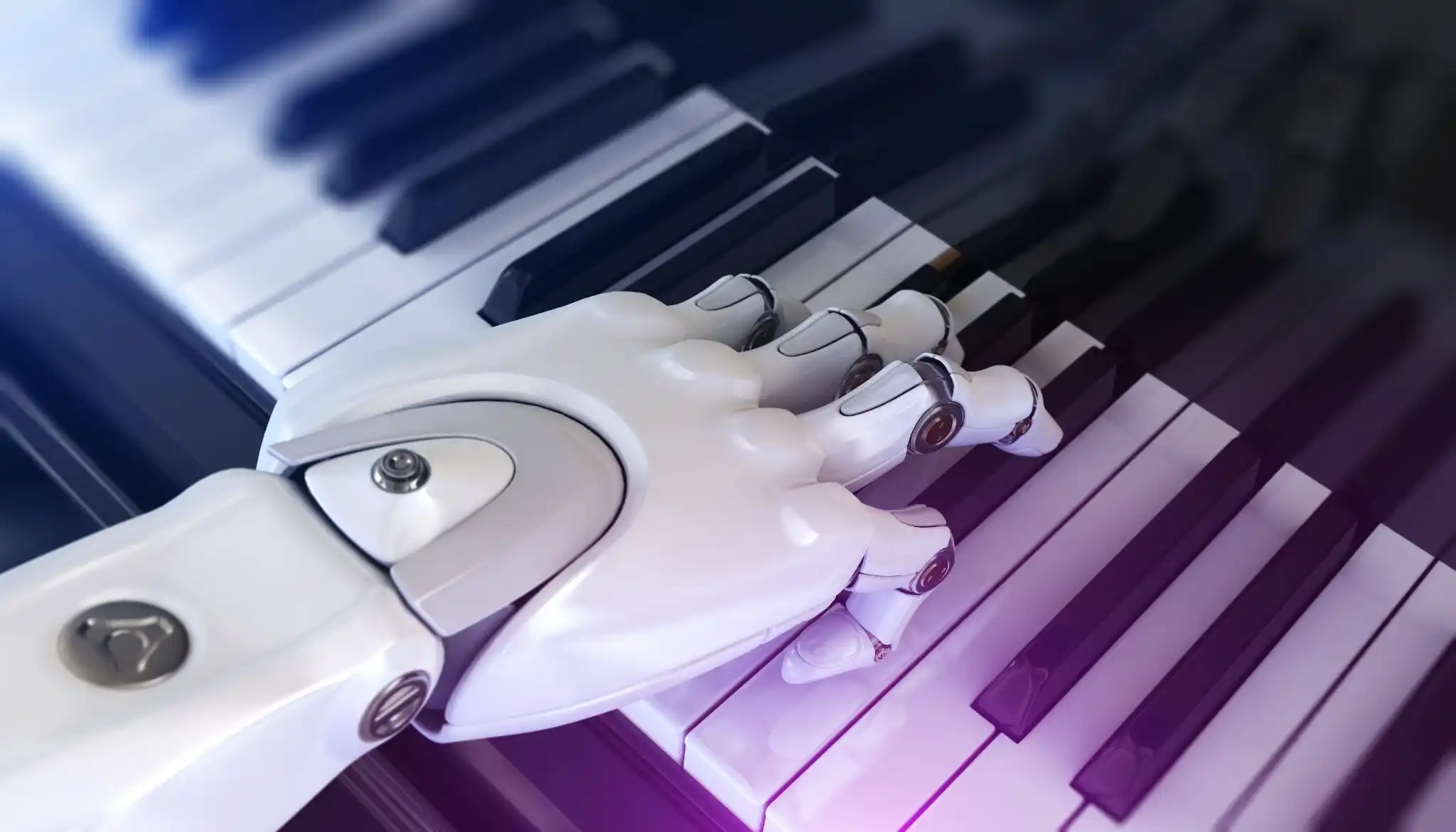
The music industry is undergoing a transformation, thanks to advancements in technology. More than ever, artists are exploring new tools that can enhance their creative processes. One of the most exciting developments in recent years is the integration of artificial intelligence (AI) into music creation. AI music tools for songwriting are changing how musicians approach their craft, making the process more efficient and inspiring.
AI music tools are designed to assist songwriters and composers by generating melodies, lyrics, and even entire compositions. These tools analyze vast amounts of musical data to create unique and engaging outputs. As technology continues to evolve, so does the potential for AI to influence the way music is written and produced. Understanding how these AI tools work can unlock new creative possibilities for artists.
The Evolving Landscape of Music Technology
Technology has always played a significant role in music creation. From the advent of synthesizers to the rise of digital audio workstations, each innovation has shaped how music is produced. Now, AI is stepping into the spotlight. It allows artists to push the boundaries of their creativity, providing them with new ways to express their ideas.
Understanding AI Music Tools
AI music tools can take many forms, from software applications that generate melodies to platforms that assist with lyric writing. Some tools analyze existing music to identify trends and help songwriters create something fresh. Others can produce entirely new compositions based on user inputs. By leveraging machine learning and algorithms, these tools provide musicians with a powerful resource for enhancing their songwriting process.
Enhancing Creativity with AI Music Tools
AI music tools offer a unique opportunity to enhance creativity. One of the most significant advantages is their ability to generate unique melodies that can inspire songwriters. The creative process can often feel daunting, especially when faced with writer’s block. However, by utilizing AI tools, artists can explore new melodic ideas that spark their imagination.
Generating Unique Melodies
AI can analyze thousands of songs across various genres and create melodies that are both original and engaging. This capability allows songwriters to explore different musical directions without needing extensive theoretical knowledge. For instance, an artist might input a few chords, and the AI can generate several melodic options to complement those chords. This not only saves time but can also lead to unexpected and exciting musical discoveries.
Overcoming Writer’s Block
Writer’s block is a common challenge for many musicians. It can be frustrating to feel stuck, unable to produce new ideas. AI music tools can act as a catalyst, providing fresh ideas and prompts that help songwriters get back on track. By generating new melodies or lyrical themes, AI can serve as a source of inspiration. Many songwriters have reported that using these tools has helped them break through creative barriers and rediscover their passion for music.
Collaborating with AI: A New Approach to Songwriting
AI is not here to replace human creativity; instead, it can act as a valuable collaborator. By viewing AI as a co-creator, songwriters can unlock new dimensions of their artistic expression. This collaborative approach can lead to innovative results that blend human intuition with the analytical power of AI.
AI as a Co-creator
When artists collaborate with AI, they can explore a vast range of possibilities. For example, an AI tool can provide multiple variations of a melody based on a songwriter’s initial input. This allows artists to experiment with different musical ideas, ultimately leading to a richer final product. By embracing AI as a partner in the creative process, songwriters can push the boundaries of their work.
Customizing AI Output
One of the most appealing aspects of AI music tools is their flexibility. Many tools allow users to customize the output according to their preferences. For instance, songwriters can adjust parameters such as tempo, style, and instrumentation to tailor the AI-generated content to their unique sound. This level of customization ensures that the final product reflects the artist’s individuality while benefiting from the innovative capabilities of AI.
The Practical Applications of AI Music Tools
AI music tools are not just theoretical concepts; they have practical applications that can streamline the songwriting process. These tools can help organize ideas, structure songs, and enhance production quality. By integrating AI into their workflows, musicians can save time and focus more on their creative vision.
Streamlining the Songwriting Process
The initial stages of songwriting can often feel overwhelming. AI tools can help songwriters organize their ideas and provide structure to their compositions. For example, some tools can analyze a collection of lyrics and suggest potential song structures based on common patterns. This guidance can help artists move from concept to finished song more efficiently.
Moreover, AI can assist in identifying the key themes and emotions present in a songwriter’s work. By providing insights into lyrical content, AI tools can help artists refine their messages and connect with their audiences more effectively. This ability to streamline the songwriting process allows musicians to concentrate on what they do best: creating music.
Enhancing Production Quality
In addition to aiding the songwriting process, AI music tools can significantly enhance the production quality of a track. Many AI applications offer features that can refine melodies and lyrics, ensuring they meet professional standards. Artists can use these tools to polish their songs before recording or releasing them, leading to higher-quality outputs.
For instance, AI can analyze a song’s structure and suggest changes to improve its overall flow. By receiving feedback on their compositions, songwriters can make adjustments that elevate their work. This collaborative approach helps artists create music that resonates with listeners while maintaining their artistic integrity.
The Future of Songwriting with AI Music Tools
As technology continues to evolve, the future of songwriting with AI music tools looks promising. Emerging trends in AI music technology are shaping the landscape, paving the way for new opportunities and challenges for songwriters.
Emerging Trends in AI Music Technology
The integration of AI in music is still in its early stages, but several emerging trends are worth noting. For instance, the development of AI-driven platforms that offer real-time collaboration among musicians is becoming more prevalent. These platforms allow songwriters to work together, regardless of geographical barriers, fostering a global creative community.
Additionally, advancements in natural language processing (NLP) are enhancing AI’s ability to generate lyrics. As these technologies improve, songwriters can expect even more sophisticated and contextually relevant outputs. The potential for AI to influence different genres and styles is vast, promising a bright future for music creation.
Ethical Considerations and Challenges
While AI music tools offer numerous benefits, they also raise important ethical considerations. The debate around authorship and creativity in AI-generated music is ongoing. Questions arise about whether the output of AI can truly be considered original or if it simply reflects the data it has been trained on.
Songwriters using AI tools must navigate these ethical dilemmas while ensuring they maintain their creative voice. Understanding the implications of AI on the artistic process is crucial as the industry adapts to these new technologies. By addressing these challenges, musicians can continue to use AI as a resource while preserving the integrity of their craft.
Conclusion
AI music tools for songwriting present an exciting opportunity for musicians to enhance their creative processes. By leveraging these tools, songwriters can generate unique melodies, overcome writer’s block, and collaborate with AI as a co-creator. The practical applications of AI in the songwriting process streamline workflows and improve production quality.
As the music industry evolves, the integration of AI technology will continue to shape the future of songwriting. While challenges and ethical considerations exist, the potential for creativity and innovation is immense. Embracing AI music tools allows artists to unlock new dimensions of their artistry and connect with audiences in meaningful ways. The future of songwriting is bright, and AI is playing a pivotal role in this evolution.