
Amapiano, a vibrant music genre originating from the townships of South Africa, has evolved into a global phenomenon. With its fusion of deep house, jazz, and kwaito elements, the genre has captured the imagination of music lovers across continents. Its melodic piano riffs, rhythmic basslines, and soulful vocals create a sound that is instantly recognizable and irresistibly danceable. But what makes Amapiano truly remarkable is the talent behind it – the artists and DJs who innovate, collaborate, and bring this South African sound to the world stage. In this article, we explore the Amapiano artists shaping the global music scene, the DJs amplifying its reach, and how the genre continues to redefine modern music.
The Global Rise of Amapiano
Origins and Evolution
Amapiano first emerged in the early 2010s in the townships of Gauteng, South Africa. It started as a local fusion of jazz-infused piano melodies, deep house rhythms, and the raw energy of kwaito. Producers began experimenting with percussive beats, soulful chord progressions, and innovative sampling techniques. Over time, Amapiano’s distinctive style, often slower-paced with a focus on groove and emotion, captured local attention and slowly expanded beyond South Africa’s borders.
The genre’s evolution has been fueled by its adaptability. Artists integrated elements from Afrobeat, Latin rhythms, and even international electronic music, creating tracks that could resonate with audiences worldwide. This fusion has allowed Amapiano to grow from underground clubs to mainstream radio stations and festival stages across the globe.
From Local to Global
The global surge of Amapiano is largely due to digital platforms. Social media platforms like TikTok and Instagram turned short clips of Amapiano dances and remixes into viral sensations, bringing the genre to international audiences. Streaming services like Spotify and Apple Music curated Amapiano playlists, exposing listeners from Europe, North America, and Asia to its infectious rhythms.
International collaborations have also played a pivotal role. When global artists started featuring Amapiano rhythms in their tracks, it sparked curiosity among listeners worldwide. Tours and live performances by South African DJs in Europe and the US have cemented the genre as a global music force, demonstrating that Amapiano is not just a trend but a cultural movement with staying power.
Leading Amapiano Artists Shaping the Sound
Producers and Solo Artists
At the heart of Amapiano’s global expansion are the producers and solo artists whose creativity drives the genre forward. Kabza De Small, often referred to as the “King of Amapiano,” has been instrumental in defining its sound with tracks that blend smooth piano riffs with deep, hypnotic basslines. His collaborations with DJ Maphorisa, a versatile producer known for bridging genres, have created hits that dominate South African and international charts alike.
Emerging artists such as Focalistic and Major League DJz are pushing boundaries further, experimenting with tempo variations, unique synths, and global sounds that make Amapiano accessible to a wider audience. Their ability to fuse local culture with international appeal is a key reason the genre resonates beyond South Africa.
Vocalists and Songwriters
While producers set the musical stage, vocalists and songwriters bring Amapiano tracks to life. Artists like Sha Sha, Young Stunna, and Msaki add melodic depth and emotional resonance. Sha Sha’s silky vocals and Young Stunna’s energetic delivery exemplify how vocals enhance the genre’s appeal. Their lyrical storytelling, often reflecting love, life, and township experiences, connects with audiences on a personal level, creating songs that are both danceable and relatable.
Expert insight from music analysts suggests that the synergy between producers and vocalists is what allows Amapiano to maintain authenticity while appealing to global audiences. The combination of pulsating beats and soulful narratives is a formula that ensures the genre’s continued growth.
Influential DJs in the Amapiano Scene
Local and International DJs
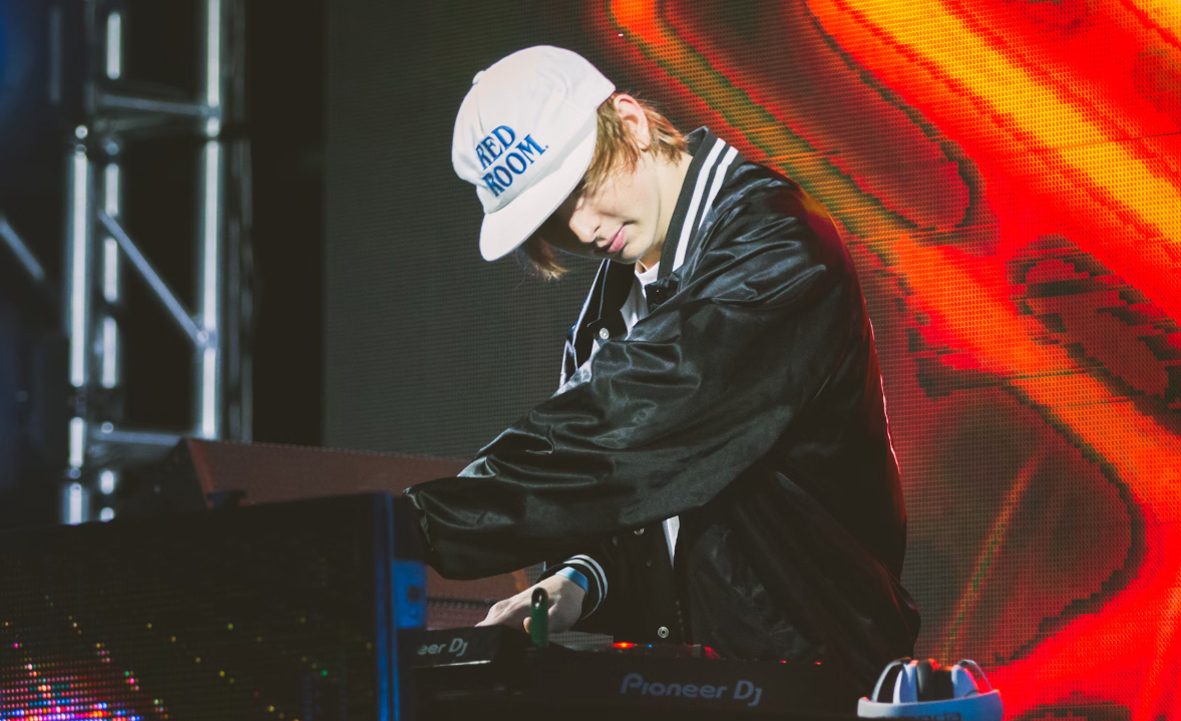
DJs are the ambassadors of Amapiano, bringing tracks from studios to clubs, festivals, and live events. In South Africa, DJs like De Mthuda and DJ Zinhle are celebrated for their ability to mix traditional Amapiano with other genres, creating sets that captivate crowds. Internationally, DJs in Europe and the US have embraced Amapiano, incorporating its rhythms into mainstream events, thereby introducing the genre to new listeners.
DJ Collaborations and Remix Culture
Remixes play a crucial role in Amapiano’s global influence. DJs often take existing tracks and reinterpret them for different audiences, adding electronic or pop elements that maintain the essence of Amapiano while broadening its reach. Collaborations with hip-hop, R&B, and EDM artists have resulted in chart-topping remixes, demonstrating the genre’s adaptability and reinforcing its presence on global playlists.
Expert advice from industry insiders highlights that DJs act as both tastemakers and cultural translators, making Amapiano accessible while preserving its South African roots. Their role is essential for the genre’s sustainability and international success.
Impact on the Global Music Industry
The influence of Amapiano on the global music industry has been profound, reshaping how listeners, artists, and industry executives perceive African music. Once considered a local or niche genre confined to South African townships, Amapiano has now established a firm presence on international charts, streaming platforms, and festival lineups. Its unique combination of mellow piano melodies, deep house grooves, and rhythmic percussion has captured the attention of listeners who may have never previously explored African music.
A key factor in this impact is the genre’s ability to blend accessibility with authenticity. Unlike other regional genres that sometimes struggle to appeal globally without losing their roots, Amapiano maintains its township-inspired essence while incorporating elements that resonate internationally. Tracks by artists such as Kabza De Small and DJ Maphorisa have not only dominated South African charts but also gained significant streams in the UK, US, and European markets. Platforms like Spotify and Apple Music now regularly feature Amapiano playlists curated for global audiences, increasing discoverability and listener engagement.
Amapiano’s penetration into the global music industry is also visible through collaborations with artists from diverse genres. International pop, R&B, and electronic music producers are increasingly sampling Amapiano beats, integrating its rhythms into mainstream hits. These collaborations not only enhance the genre’s visibility but also validate its commercial viability on a global scale. Viral social media trends, particularly on TikTok and Instagram, have accelerated this process, turning short dance challenges and remix snippets into worldwide sensations. This social-media-driven popularity has made Amapiano an attractive genre for labels and talent scouts seeking new trends with high virality potential.
Future of Amapiano Artists and DJs
Looking forward, the future of Amapiano is promising. Artists are exploring new production techniques, incorporating live instrumentation, AI-assisted music tools, and innovative sound design. Global collaborations will continue to grow, bridging African sounds with international music trends.
The genre’s sustainability relies on balancing mainstream appeal with cultural authenticity. Industry experts emphasize that while global exposure is valuable, maintaining the roots and story of Amapiano ensures its continued relevance. Emerging talent, digital platforms, and international collaborations will define the next phase of this dynamic music movement.
Conclusion
Amapiano has transformed from a South African township phenomenon into a global music powerhouse. The artists, vocalists, and DJs driving the genre are not only shaping soundscapes but also redefining how African music is perceived internationally. From Kabza De Small’s signature grooves to Young Stunna’s infectious energy, the talent behind Amapiano ensures its place in the global music narrative. For listeners and producers alike, exploring Amapiano is both a cultural experience and an invitation to witness music evolution in real time.
FAQs
1. Who are the top Amapiano artists currently gaining international recognition?Top international Amapiano artists include Kabza De Small, DJ Maphorisa, Focalistic, Sha Sha, and Major League DJz. Their collaborations and chart-topping tracks have brought global attention to the genre, making it accessible to audiences across continents.
2. How do DJs influence the global popularity of Amapiano tracks?DJs act as curators and cultural translators. By remixing tracks, performing at international festivals, and blending genres, they introduce Amapiano to new audiences while maintaining its authentic South African sound.
3. Can Amapiano maintain its unique South African identity while going global?Yes, Amapiano can retain its cultural roots. By balancing international collaborations with traditional sounds and local storytelling, artists ensure that global expansion does not dilute the genre’s essence.