
Amapiano has emerged as one of the most dynamic music movements of the past decade. Born in the townships of South Africa, this genre has transcended borders and captivated listeners worldwide with its infectious rhythms, mellow piano melodies, and deep house grooves. Unlike fleeting music trends, Amapiano reflects a cultural identity, blending traditional South African sounds with modern electronic production.
Understanding the amapiano evolution is crucial not only for music enthusiasts but also for producers, DJs, and industry professionals seeking to harness the genre’s unique energy. From its humble origins to its global recognition, Amapiano’s journey highlights the interplay of culture, technology, and innovation. This article explores its roots, evolution, and far-reaching influence on other music genres.
Origins of Amapiano
Township Roots and Early Influences
Amapiano traces its beginnings to the Gauteng townships of South Africa around 2012. It emerged as a fusion of deep house, kwaito, jazz, and lounge music. Early producers experimented with slower tempos, percussive rhythms, and signature piano riffs, creating a sound that was distinct from other electronic or African music genres. The genre’s name, loosely translated as “the pianos,” reflects the centrality of melodic piano lines in crafting its laid-back, yet danceable atmosphere.
Early Amapiano tracks were shared through informal networks, local clubs, and small online platforms, capturing the attention of communities that resonated with its township roots. Artists like Kabza De Small and DJ Maphorisa played a pivotal role in defining the early sound, blending rhythmic percussions with soulful harmonies and chants.
Cultural and Social Context
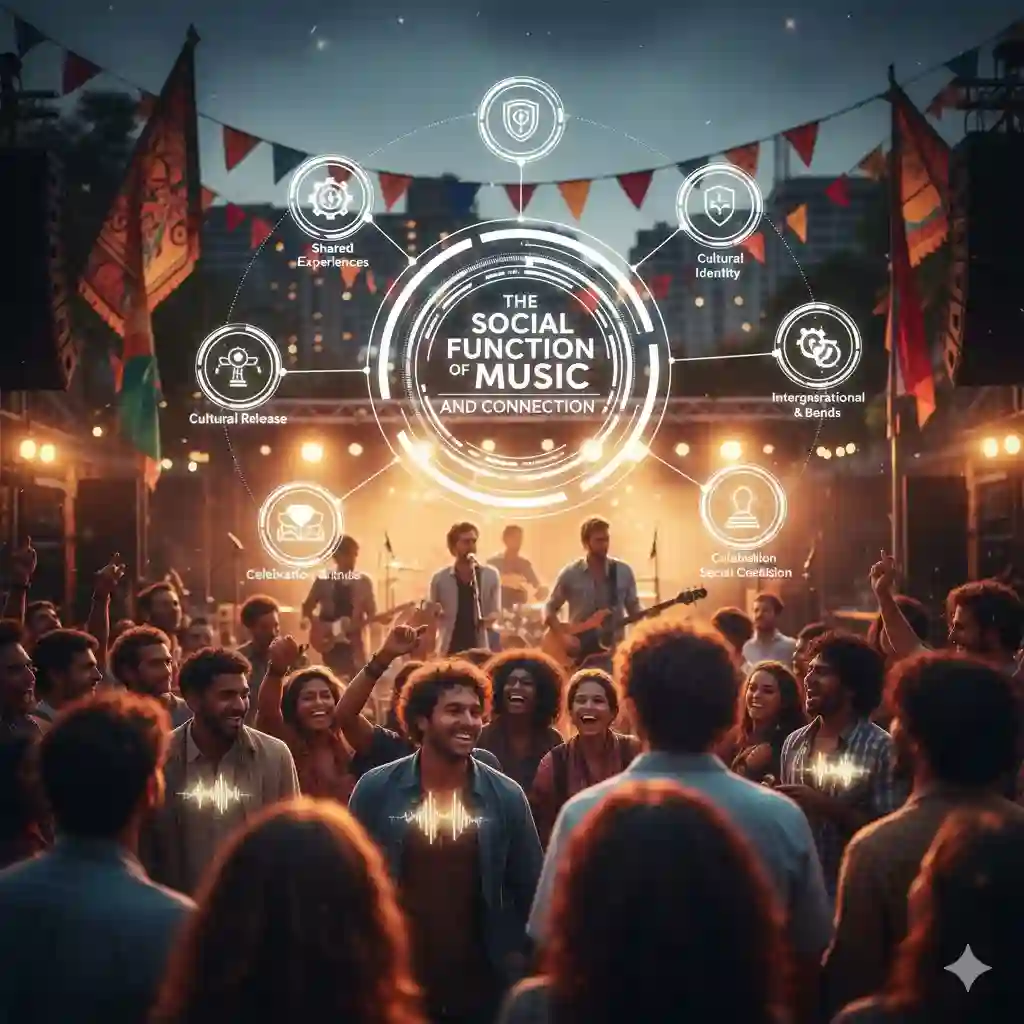
Amapiano is not just music, it is a reflection of South African township life. Lyrics and melodies often celebrate everyday experiences, from friendship and love to resilience and communal gatherings. It became a soundtrack for social events, from house parties to weddings, and gave young artists a platform to express creativity and identity.
The genre’s grassroots beginnings underscore how cultural context shapes music. Unlike mass-produced pop, Amapiano’s evolution was community-driven, with feedback loops between local DJs, producers, and listeners influencing its progression. This foundation explains its authenticity, which remains central to its global appeal today.
Evolution of the Sound
Stylistic Changes and Innovations
Over the years, Amapiano has evolved significantly. Initially, the tempo was moderate, with mellow basslines and piano motifs dominating tracks. As the genre matured, producers introduced electronic elements, richer percussion, and vocal features, expanding its sonic palette. The integration of soulful vocals and rap flows allowed tracks to bridge between dancefloor appeal and radio-friendly accessibility.
Innovation has been key to Amapiano’s staying power. Producers experiment with hybrid sounds, blending Amapiano with house, EDM, and Afrobeat. This stylistic flexibility has allowed the genre to adapt to international tastes without losing its distinctive township essence.
Rise of Key Producers and Artists
The global prominence of Amapiano owes much to pioneering artists. Kabza De Small, often called the “King of Amapiano,” pushed production boundaries with intricate beats and polished mixes. DJ Maphorisa brought the genre to mainstream attention through strategic collaborations and viral tracks. Emerging talent, such as Focalistic and Sha Sha, have further diversified Amapiano’s sound, incorporating languages, rap verses, and international influences.
Collaborations between producers and vocalists have been instrumental in evolving the genre. By blending instrumental prowess with lyrical storytelling, Amapiano tracks appeal to both casual listeners and audiophiles. The continuous innovation keeps the genre fresh and relevant on global charts.
Globalization of Amapiano
Digital Platforms and Social Media Influence
Amapiano’s international growth has been accelerated by digital platforms. Spotify, Apple Music, YouTube, and TikTok have enabled artists to reach global audiences instantly. Viral TikTok dance challenges and Instagram snippets have turned Amapiano tracks into worldwide phenomena. Social media acts as both a distribution and promotional tool, bypassing traditional gatekeepers like record labels.
Streaming statistics highlight this shift. Tracks that once circulated only within South Africa now accrue millions of streams in the UK, US, and Europe. Curated playlists and algorithmic recommendations introduce Amapiano to listeners unfamiliar with African music, fueling a cross-cultural exchange.
Cross-Continental Collaborations
The genre’s global appeal has led to collaborations with international artists in pop, hip-hop, and EDM. Notable examples include American producers remixing Amapiano beats and European DJs integrating its rhythms into festival sets. These collaborations not only increase exposure but validate Amapiano’s commercial viability on a global scale.
The result is a hybrid soundscape where local authenticity meets international sensibilities. For emerging Amapiano artists, these collaborations offer learning opportunities, production insights, and access to wider markets while maintaining cultural identity.
Influence on Other Music Genres
Integration with Afrobeat and Hip-Hop
Amapiano rhythms have increasingly influenced Afrobeat and hip-hop tracks. Producers incorporate the signature shuffling percussion and piano riffs into cross-genre compositions. This blending has led to innovative remixes, collaborations, and new chart-topping hits that blur genre lines.
Hip-hop artists, particularly in South Africa and Nigeria, are sampling Amapiano beats to create fresh tracks that resonate with younger audiences. The genre’s flexibility allows it to adapt without losing its core identity, making it a valuable tool for music experimentation.
Impact on Electronic and Dance Music
Electronic music producers worldwide have recognized Amapiano’s potential in dance and festival contexts. DJs incorporate Amapiano rhythms into sets, often layering them with EDM drops or house progressions. The result is a fusion that energizes crowds while introducing listeners to African electronic music.
This influence is reciprocal. While Amapiano borrows elements from house and deep house, its international exposure shapes global electronic music trends. The genre’s subtle complexity, mellow tempo, and groove-based structures offer producers an alternative to conventional EDM patterns, inspiring innovation across club scenes globally.
Trends and Future Directions
Amapiano continues to evolve at a remarkable pace, and understanding the trends shaping its future is essential for both fans and industry professionals. One of the most noticeable trends is the hybridization of the genre. Modern producers are experimenting with faster tempos, richer percussion layers, and electronic enhancements, blending Amapiano with Afrobeat, hip-hop, and even global EDM elements. This fusion has opened new avenues for creative expression while ensuring the genre appeals to a broader, international audience.
Another prominent trend is the growing role of digital technology and AI-assisted music production. Producers are now leveraging AI tools to create intricate drum patterns, design unique synth textures, and even assist in mixing and mastering tracks. This technological shift accelerates the production process, allowing artists to innovate rapidly while maintaining the signature Amapiano groove.
Collaborations between South African artists and international musicians are becoming increasingly common, signaling the globalization of the genre. Partnerships with European DJs, American hip-hop artists, and Latin American producers are introducing Amapiano to new markets and helping it influence other music genres worldwide. These cross-continental collaborations often result in hybrid tracks that retain Amapiano’s core rhythm while incorporating diverse cultural elements, enhancing its appeal across continents.
Conclusion
The amapiano evolution demonstrates how a locally rooted genre can achieve international prominence without sacrificing cultural identity. From township beginnings to global festival stages, Amapiano has reshaped musical boundaries, influenced other genres, and inspired artists worldwide. Its journey underscores the power of innovation, collaboration, and digital platforms in defining modern music landscapes.
As Amapiano continues to grow, it serves as a blueprint for how regional sounds can enter global consciousness while maintaining authenticity. For producers, DJs, and music lovers, understanding this evolution is key to appreciating not just a genre, but a cultural movement.
FAQs
1. How has Amapiano evolved since its inception?Amapiano started as a slow, piano-driven genre in South African townships. Over time, it incorporated vocals, rap, electronic elements, and international influences, creating a versatile sound that resonates globally.
2. Which genres have been influenced by Amapiano?Afrobeat, hip-hop, house, and EDM have integrated Amapiano rhythms. DJs and producers remix its shuffling percussion and melodic motifs, blending them into cross-genre hits worldwide.
3. Can Amapiano maintain authenticity while going global?Yes, by preserving township roots, embracing local languages, and collaborating selectively, artists can expand internationally while keeping Amapiano’s cultural essence intact.