
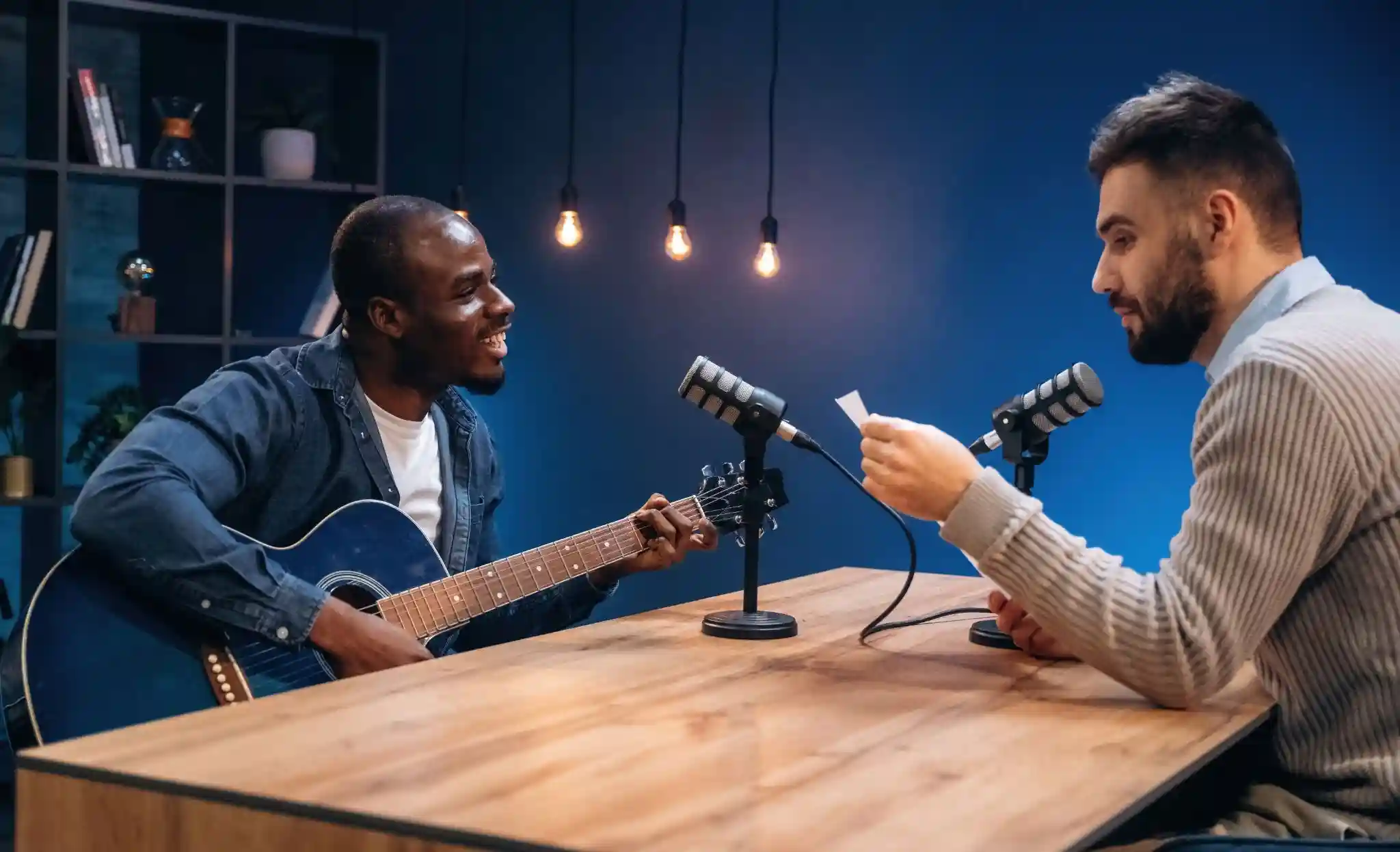
The music industry has changed faster than ever before. Talent still matters, but it is no longer enough on its own. Today, emerging recording artists are not just musicians. They are storytellers, creators, and community builders. An authentic brand helps artists stand out in a crowded digital space and build real connections with listeners.
In the digital age, branding is not about pretending to be someone else. It is about showing who you already are, consistently and honestly. Fans want to feel connected to the person behind the music, not just the sound. This article explores how emerging recording artists build authentic brands using personal branding, social media music platforms, and meaningful fan engagement.
Why Authentic Branding Matters for Emerging Recording Artists
The Shift from Image-Based Branding to Identity-Based Branding
In the past, branding focused heavily on image. Labels often shaped how artists looked and behaved. Today, that approach feels outdated. Audiences value honesty more than perfection.
Emerging recording artists who succeed now build brands based on identity. Their music, visuals, and communication reflect their real personality. This makes the brand feel natural and believable.
How Fans Connect More with People Than Music Alone
Music may attract listeners first, but personality keeps them around. Fans want to know what inspires an artist, what challenges they face, and what they stand for.
Through social media music platforms, artists can share moments beyond releases. These glimpses help fans feel part of the journey. Over time, this emotional connection becomes more valuable than numbers alone.
Understanding Personal Branding in the Music Industry
What Personal Branding Really Means for Recording Artists
Personal branding is not self-promotion. It is the consistent expression of values, style, and story. For emerging recording artists, this includes sound, visuals, tone, and behavior.
A strong personal brand answers simple questions. Who are you? What do you represent? Why does your music matter? When these answers align, the brand feels clear.
Common Branding Mistakes Emerging Artists Should Avoid
One common mistake is copying successful artists. While inspiration is normal, imitation weakens identity. Fans want something new, not a repeat.
Another mistake is over-polishing. Perfect visuals without personality feel empty. Authentic brands allow imperfections because they feel human.
Finally, chasing trends too aggressively can confuse audiences. Trends change quickly, but identity should remain stable.
How Emerging Recording Artists Define Their Artistic Identity
Aligning Music Style, Visuals, and Storytelling
An authentic brand feels cohesive. The sound, visuals, and message should support each other. When these elements clash, audiences feel disconnected.
For example, emotional music paired with honest visuals strengthens impact. Storytelling through captions, videos, or interviews adds depth. This alignment makes the brand memorable.
Finding a Voice That Feels Genuine, Not Forced
Voice is more than sound. It includes how artists speak, write, and interact. A genuine voice feels comfortable, not performed.
Artists should communicate in a way that reflects their personality. Some are reflective. Others are playful. There is no correct style, only honest expression.
The Role of Social Media Music Platforms in Artist Branding
Choosing the Right Social Platforms for Your Music
Not every platform suits every artist. Some platforms favor visuals, others favor conversation or short-form video. Emerging recording artists should focus on where their audience naturally gathers.
Quality matters more than quantity. Maintaining one or two platforms well is better than spreading energy too thin. Consistency builds familiarity.
Creating Content That Feels Human, Not Promotional
Audiences are tired of constant promotion. Content that feels personal performs better. Sharing thoughts, struggles, or creative moments builds trust.
Social media music content does not need to be perfect. Simple videos or honest captions often resonate more than polished campaigns.
When artists treat platforms as conversation spaces rather than billboards, engagement feels natural.
Fan Engagement Strategies That Build Trust and Loyalty
Two-Way Communication and Community Building
Fan engagement is not about talking to people. It is about listening and responding. Replying to comments or messages shows appreciation.
Communities form when fans feel seen. Emerging recording artists who acknowledge supporters create stronger bonds. This turns listeners into advocates.
Turning Casual Listeners into Long-Term Supporters
Casual listeners enjoy music. Supporters invest emotionally. The difference lies in connection.
Sharing the creative process helps fans feel involved. Asking for feedback or opinions invites participation. These small actions deepen loyalty.
Consistency Without Losing Creativity
Balancing Algorithms, Schedules, and Authentic Expression
Algorithms reward consistency, but creativity needs space. Emerging recording artists often feel pressure to post constantly. This can lead to burnout.
A balanced approach works best. Setting realistic schedules protects creativity. Quality should never be sacrificed for frequency.
Staying Relevant Without Chasing Trends
Trends can help visibility, but they should not define identity. Artists who chase every trend risk losing clarity.
Instead, trends can be adapted to fit the artist’s voice. When relevance supports identity, it feels natural.
How Emerging Recording Artists Use Storytelling to Build Brands
Sharing the Journey Behind the Music
Stories give music context. Sharing how songs are written or what inspired them deepens connection.
Emerging recording artists who document their journey invite fans along. This transparency makes success feel shared.
Storytelling also humanizes growth. Fans appreciate seeing progress, not just results.
Using Real Experiences to Create Emotional Connection
Real experiences resonate more than manufactured narratives. Authentic stories help listeners feel understood.
Artists do not need dramatic events to connect. Everyday emotions are powerful when expressed honestly.
Monetization and Branding: Growing Without Selling Out
Ethical Brand Partnerships and Collaborations
Monetization becomes part of branding as artists grow. Partnerships should align with values and audience expectations.
Emerging recording artists benefit from selective collaborations. Trust is harder to rebuild once lost.
Fan-Supported Models That Strengthen Engagement
Direct support models empower both artists and fans. They reduce reliance on external gatekeepers.
Support feels meaningful when fans understand what they are supporting. Transparency builds respect.
Measuring Brand Growth Beyond Follower Counts
Engagement Quality vs. Vanity Metrics
Numbers can be misleading. High follower counts do not guarantee connection. Engagement quality matters more.
Meaningful comments, shares, and repeat listeners indicate real impact. Emerging recording artists should focus on these signals..
Long-Term Brand Value in the Music Industry
A brand is built over time. Short-term attention fades quickly. Consistent identity creates lasting recognition.
Artists who invest in authenticity build careers that adapt to change. Brand value grows with trust.
This foundation supports creative freedom and resilience.
Challenges Emerging Recording Artists Face in the Digital Age
Burnout, Comparison, and Creative Pressure
Constant visibility can be exhausting. Comparing progress to others increases stress. Many artists struggle silently.
Emerging recording artists must protect their mental health. Rest and boundaries support creativity.
Sustainable careers require balance, not constant output.
Protecting Mental Health While Staying Visible
Taking breaks does not mean losing relevance. Audiences respect honesty about boundaries.
Artists who care for themselves show leadership. Healthy creators produce better work.
Mental well-being supports both art and brand.
Final Thoughts
Building an authentic brand is a journey, not a strategy. Emerging recording artists succeed when they focus on clarity, honesty, and connection. Personal branding works best when it reflects who the artist truly is, not who they think they should be.
Social media music platforms and fan engagement tools offer powerful opportunities. Used thoughtfully, they help artists tell their story and grow communities. Used carelessly, they create pressure and confusion.
The digital age rewards authenticity more than perfection. Artists who trust their voice, respect their audience, and allow their brand to evolve build stronger, more meaningful careers. In the end, the most powerful brands feel human because they are built by humans.
FAQs
Why is personal branding important for emerging recording artists?
Personal branding helps artists stand out and build trust with listeners. It gives audiences something to connect with beyond the music. Strong branding supports long-term growth.
Do emerging artists need to be active on every social media platform?
No. Focusing on the platforms that fit your content and audience works better. Quality engagement matters more than presence everywhere.
How can artists stay authentic while promoting their music?
By sharing real experiences and communicating honestly. Promotion feels natural when it reflects genuine passion rather than pressure.
What role does fan engagement play in artist branding?
Fan engagement builds loyalty and community. It turns listeners into supporters who grow with the artist over time.
Can branding limit creativity for recording artists?
Not when done authentically. Branding based on identity supports creativity rather than restricting it.