
Phonk beats have carved out a unique space in the music world. This genre blends the sounds of hip-hop, rap, and even elements from the underground scene. But what exactly defines phonk beats, and how did they originate? Understanding the roots of this genre gives insight into its significance in music today. Let’s dive into the phonk beats origin and explore what makes them so special.
Defining Phonk Beats
Phonk beats are characterized by their gritty sound and heavy sampling. The music typically features drum patterns that are both simple and catchy, making it easy to vibe with. Vocals often include a mix of rapping and spoken word, reflecting raw emotions and experiences. The genre draws heavily from the Memphis rap scene of the 1990s and incorporates elements like lo-fi production and atmospheric sounds.
At its core, phonk beats create a sense of nostalgia. Many tracks sample old hip-hop and R&B songs, giving listeners a feeling of familiarity. This blend of the old and new creates a unique listening experience. The result is a sound that feels both fresh and deeply rooted in hip-hop history. Phonk beats have become a way for artists to express their identity and connect with their audience.
The Historical Context of Phonk Beats
To understand phonk beats origin, we must look back at the musical landscape of the 1990s. During this time, Southern hip-hop was gaining traction, particularly in cities like Memphis. Artists began experimenting with production techniques and lyrical themes. The gritty realities of urban life often served as inspiration for their music.
Key figures like DJ Smokey and Three 6 Mafia laid the groundwork for what would become phonk. Their use of haunting samples and heavy bass became defining characteristics. These artists were not afraid to explore darker themes, which resonated with many listeners. The underground scene flourished, setting the stage for phonk beats to emerge as a distinct genre.
As the internet began to grow, so did the reach of phonk music. Independent artists found new ways to share their work online. This allowed phonk to spread beyond its regional roots and gain popularity in other parts of the world.
The Evolution of Phonk Beats
Phonk beats have evolved significantly since their inception. The early 2000s saw a shift in production techniques, with more artists embracing digital tools. This change allowed for greater experimentation and creativity in sound. As technology advanced, phonk began to incorporate elements from other genres, such as trap and electronic music.
Today, phonk beats often feature a mix of traditional hip-hop sounds and modern production styles. This evolution has attracted a new generation of listeners and artists. Many contemporary musicians draw inspiration from phonk, blending its elements with their own unique styles. The genre continues to grow, pushing boundaries and inviting fresh interpretations.
Moreover, the rise of social media platforms has played a crucial role in this evolution. Artists can now share their music with a global audience, leading to a resurgence of interest in phonk beats. As more people discover the genre, it continues to adapt and thrive in today’s music scene.
The Role of Sampling in Phonk Beats
Sampling is a fundamental aspect of phonk beats. The genre relies heavily on samples from old records, particularly from hip-hop and R&B. These samples help create a nostalgic feel, connecting listeners to the past. They also serve as a canvas for artists to add their voice and style.
Popular samples used in phonk production often come from lesser-known tracks. This approach not only showcases the artist’s creativity but also pays homage to the original musicians. However, sampling does come with legal considerations. Artists must navigate copyright laws to ensure their work remains legitimate. Despite these challenges, sampling remains an integral part of phonk beats origin and identity.
The use of samples allows phonk artists to create something entirely new while honoring the music that came before them. This blend of respect and innovation is what makes phonk beats stand out in the crowded music landscape.
Key Artists and Influencers of Phonk Beats
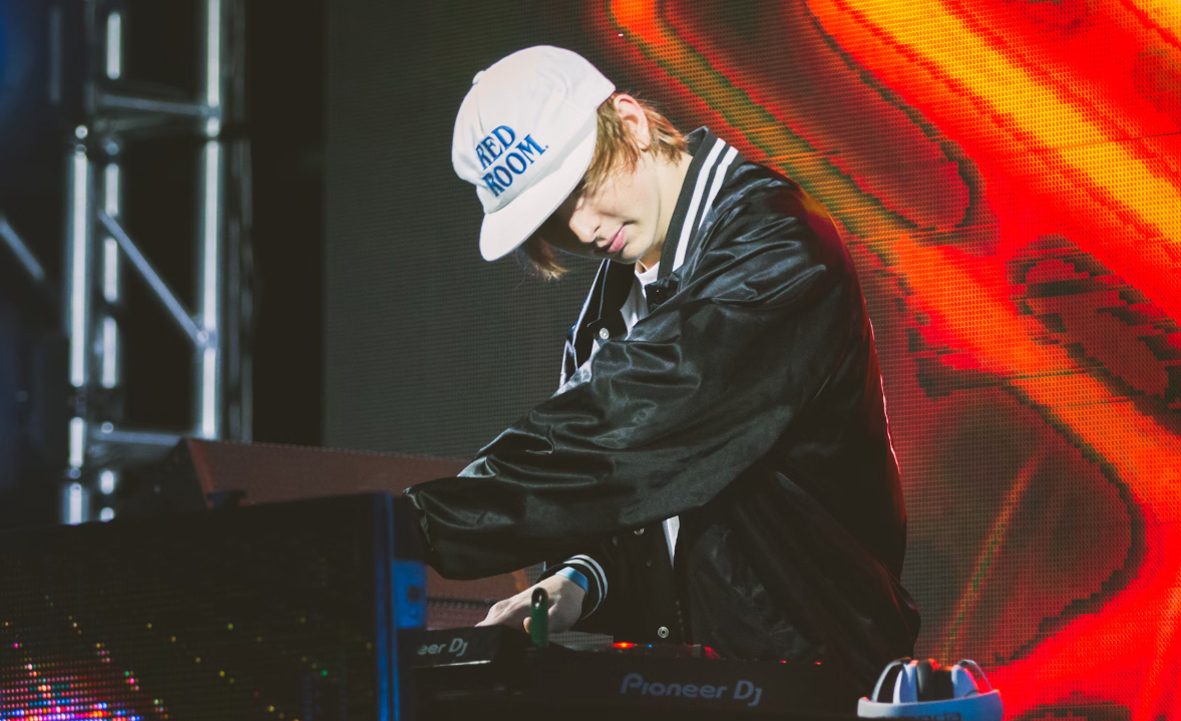
Several artists have made significant contributions to the phonk genre. DJs and producers like DJ Smokey, Bones, and Xavier Wulf have helped shape its sound and culture. Their unique styles and dedication to the craft have inspired many upcoming artists.
These musicians often blend elements of phonk with other genres, creating fresh and exciting tracks. They have a loyal following, and their influence extends beyond the music itself. Many phonk artists are known for their distinct visual aesthetics, which enhance their music and connect with fans on a deeper level. As the genre grows, more underground artists are stepping into the spotlight. They bring new perspectives and styles, enriching the phonk community. This diversity in artistry is essential for the genre’s continued evolution.
Phonk Beats in Modern Music
In recent years, phonk beats have seen a resurgence in popularity. This revival can be attributed to the rise of platforms like SoundCloud and YouTube. These sites have made it easier for artists to share their work and reach new audiences. Many young listeners are discovering phonk for the first time, drawn in by its raw energy and unique sound.
Modern artists often blend phonk elements with other genres, creating tracks that appeal to a wide range of listeners. This fusion helps keep the genre fresh and relevant. As phonk beats gain more mainstream attention, they continue to influence various music styles. The increased visibility of phonk has also led to collaborations between established artists and newcomers. This cross-pollination of ideas and sounds further enriches the genre, ensuring its place in the ever-evolving music landscape.
Cultural Significance of Phonk Beats
Phonk beats are more than just music; they represent a cultural movement. The genre reflects the experiences and struggles of its creators. Many phonk artists use their music to address social issues, personal challenges, and the realities of urban life. This connection makes phonk relatable to many listeners.
The cultural impact of phonk extends beyond music. It influences fashion, art, and lifestyle choices among its fans. The aesthetic often embraces a DIY ethic, showcasing individuality and creativity. This sense of community fosters a shared identity among fans and artists alike.
As phonk continues to grow, its cultural significance will likely expand. The genre has the potential to inspire new conversations and movements, making it an important part of contemporary culture.
Future of Phonk Beats
Looking ahead, the future of phonk beats seems bright. As the genre continues to evolve, it will likely incorporate new sounds and influences. Emerging artists will play a crucial role in shaping the next phase of phonk. Their creativity and willingness to experiment will help keep the genre dynamic.
Technology will also impact the future of phonk beats. New production tools and platforms will provide artists with fresh opportunities to share their work. As more people discover phonk, it will continue to reach new audiences and inspire future musicians. The journey of phonk beats is ongoing. Its roots run deep, and its potential is vast. As we explore this genre, we can appreciate the rich history and vibrant future that phonk holds.
Conclusion
Phonk beats have a unique origin and a compelling story. From their roots in the 1990s to their modern resurgence, phonk continues to evolve. This genre reflects the culture and experiences of its creators. As we embrace phonk beats, we celebrate the creativity and passion that drive this vibrant music scene. Whether you are a longtime fan or new to the genre, there is much to explore and enjoy in the world of phonk beats.