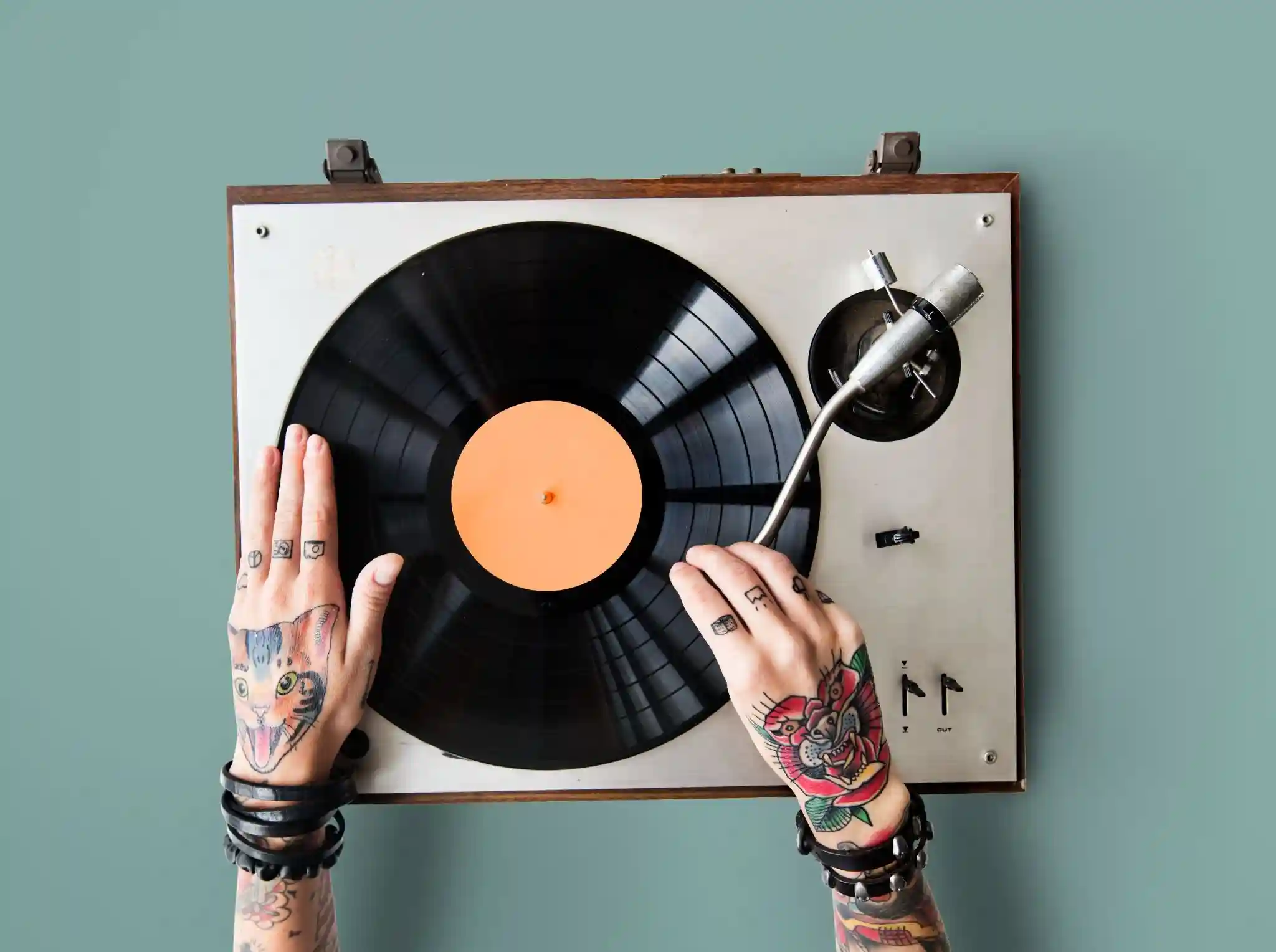


Music is not all about entertainment. It is not only a way of expressing feelings, a healing power, but also a strong instrument of the human mind. Music has been applied in all cultures to calm people, to alert people, to comfort, and to unite them. Nowadays the scientific investigation of the subject proves what people have always known, which is that music has quantifiable impacts on psychological conditions. It has the ability of reducing stress, lowering anxiety, facilitating trauma recovery, lifting mood, and even enhancing cognitive performance.
The connection between music and mental health is a profound psychological concept that is examined in this blog. We explore how tunes, beats and melodies are medicine to the mind, through the interaction of sound with the brain to the therapeutic use of music in contemporary clinical practice.
Why Music Affects the Mind So Deeply
Music is known to work with various components of the brain at the same time. This is what makes it so powerfully unique. It activates memory, emotion, motor reactions and even the reward centers releasing dopamine, a neurotransmitter associated with happiness and motivation.
Emotional Regulation Through Sound
Music is an emotional means of communication. Different genres are resorted to depending on the way people feel or the way they desire to feel. Silencing instrumental music, or even heart-thumping pop, sound acts as a means of controlling the emotional state and offers a harmless means of being expressive.
Neurological Impact
Music influences:
- The amygdala, which processes emotions
- The prefrontal cortex, which helps with focus and decision-making
- The hippocampus, which is responsible for memory and learning
Because so many mental health conditions involve disruptions in these areas, music becomes a natural support system.
Music as a Stress and Anxiety Reducer
The scope of mental health issues that stress is among the most frequent, and music is among the easiest to deal with. Slow, slow and rhythmic music decreases the heart rate, lowers the muscle tensions and activates the parasympathetic nervous system, which is the normal relaxing mechanism of the body.
Deep Breathing Through Rhythm
Music that has a constant tempo pushes one to breathe at a slow pace and this is known to reduce stress hormones such as cortisol. Some of these songs just tend to bring a person to a calmer physical state.
Anxiety and Sound Therapy
In the case of anxiety disorders, music is grounding to them. It aids in the redirection of the mind, decreases intrusive thoughts and fosters the feeling of safety. Sometimes soft instruments like singing bowls, flutes or chimes are used in sound therapy to soothe the nervous system.
A Pathway Toward Emotion and Connection
Depression often involves a lack of energy, interest, or emotional expression. Music can help reverse these effects by reactivating emotional pathways in the brain.
Mood Elevation Through Dopamine Release
Upbeat or meaningful songs stimulate dopamine, which lifts mood and increases motivation. Many people use playlists to support daily routines, morning energizing, or emotional recovery.
Emotional Processing
Music offers a safe way to express feelings that may be difficult to articulate. Listening to relatable lyrics or compositions can help people feel understood and less alone.
Music Therapy for Depression
Clinical music therapy often includes singing, songwriting, or improvisation. These activities activate creativity, self-expression, and social connection, elements that directly support mental health.
The Role of Music in Trauma and PTSD Healing
Trauma is both a mental and physical condition that can leave behind a trail of hypervigilance, fear and numbness of emotion. Music assists in re-regulating the nervous system and re-inoculated a sense of emotional safety.
How Music Supports Trauma Recovery
Music:
- Helps reduce physiological symptoms of trauma
- Provides a sense of control and grounding
- Allows emotional release without overwhelming the individual
- Offers non-verbal expression for experiences too painful to speak
Music and Memory Integration
Because trauma affects memory storage and processing, music can help reconnect fragmented emotional experiences. Gentle rhythms and predictable patterns provide stability for the mind to process difficult emotions at a safe pace.
Music for Focus, Productivity, and Cognitive Health
Mental health is not just about emotion, it’s also connected to cognitive clarity and brain function. Music supports both.
Enhanced Focus and Concentration
Lo-fi, classical, and instrumental tracks are proven to improve:
- Attention span
- Working memory
- Productivity
Many people use music to stay disciplined during study or work sessions.
Music and Neuroplasticity
Listening to music, or playing an instrument in particular, improves neural connections, and improves the plasticity of the brain. This is the reason why music therapy is employed frequently to people who have cognitive difficulties but may have dementia, ADHD, or developmental disorders.
The Social Power of Music: Connection and Community
Music fosters connection. Whether in concerts, cultural events, religious ceremonies, or casual listening sessions, music brings people together. Connection is a cornerstone of mental health.
Shared Musical Experiences
Experiencing music in a group releases oxytocin, the bonding hormone. It increases feelings of trust, belonging, and shared emotion.
Musical Identity
People often form identity through the music they love. Genres, artists, and lyrics become personal mirrors, helping individuals understand themselves and feel represented.
Music and Loneliness
For those struggling with isolation, music offers companionship. Certain songs can feel like conversations, reminding individuals that they are not alone in their emotions.
The Role of Personalized Playlists for Emotional Well-Being
One of the simplest but most effective ways to use music for mental health is through intentional playlists. Personalized playlists allow individuals to choose songs that match or shift their emotional state.
Types of Therapeutic Playlists
Many therapists encourage creating playlists for:
- Calming and grounding
- Focus and productivity
- Emotional release
- Motivation and mood elevation
- Sleep support
This intentional use of music becomes a structured mental wellness strategy.
Music Therapy: Where Science Meets Emotion
Music therapy is a formal mental health practice supported by research. Certified music therapists use structured interventions to help individuals manage emotional, cognitive, and behavioral challenges.
Benefits of Music Therapy
Music therapy has proven effective for:
- Anxiety and stress
- Depression
- Autism
- PTSD
- Alzheimer’s and dementia
- Chronic pain
- Emotional regulation in children and teens
Sessions may include singing, improvisation, guided listening, lyric analysis, movement, or musical games. The goal is not musical skill, it is emotional and therapeutic growth.
Why Music Works When Words Don’t
Numerous mental health challenges have to deal with emotions that are hard to articulate. The music makes it possible to express more than the language. Heavy sadness, joy, love, and fear can be expressed better through a melody than anything one would have said.
Music is indifferent and does not meddle or need to be explained. It simply holds space. This in itself makes it a strong tool of healing.
Final Thoughts
The music effect on mental health is far and reaching. Music is a one-way psychological road: it provides emotional expression, relieves stress, helps overcome trauma, focuses attention, or connects two individuals. It is founded on the natural reaction of the brain to rhythm and melody, but its effectiveness is in the emotional and human sense we give sound.
Music is healing, and as we proceed to examine the connection between music and the mind, this much is true. It reassures, motivates, empowers and changes. And in a world where people are too distracted by noise, music reminds us of our ability to feel, think and relate.