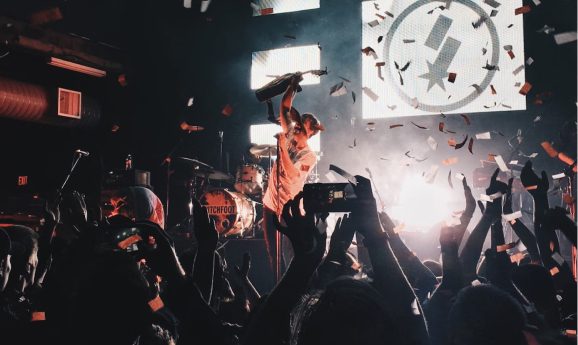

Music has been a human experience, and it has significantly changed in the past century in the way we shape, construct, and consume music. Vinyl crackling to lossless streaming, analog synthesizers to machine-generated music, each technological age has changed not only the sound but also culture, creativity and the music industry as a whole.
The knowledge of the effects of music technology is the knowledge of how innovation opens possibilities, how music is increasingly more accessible, experimental, and more heavily entrenched in our everyday lives as never before.
This blog is like an overview of the development of music technology in major revolutions, how each revolution transformed not only sound, but society.
Thomas Edison and the First Recording
Music took a new dimension in 1877, when Thomas Edison came up with the use of the phonograph. Music had existed before this, but only in the present, that is heard and then never heard again. Sound was suddenly able to be saved, repeated and distributed.
The Cultural Shift
The capability of recording music made the first generation of music stars. Individuals were now able to hear far-off voices, orchestras and performers they would never get a chance to meet in person. Music was not only an art, but made it an industry.
Technological Hallmarks
- Wax cylinders
- Gramophone discs
- The mechanical recording techniques.
These inventions formed the basis of the listening culture, which is private, repeatable and collectible.
Vinyl Records: Warmth and Authenticity
Vinyl gained popularity due to its good quality sound and durability. The LP (long play) record enabled the flourishing of full albums where artists would feel encouraged to create a complete musical narrative as opposed to creating isolated musical pieces.
Magnetic Tape: The Revolution Behind the Scenes
Although vinyl influenced the way consumers listened, the magnetic tape revolutionized the studio. Reel to reel tape recorder enabled musicians to edit takes, layer tracks, and experiment with sound through the creative process in music. Reel to reel tape recorder enabled musicians to:
- Edit takes
- Layer tracks
- Experiment with sound
The whole idea of multi-track recordings in multi-track became a reality and thus The Beatles, Pink Floyd and many of their counterparts were able to reset the boundaries of what music could be.
Cultural Impact
Music assumed an alternate exit to documenting live to creative construction. Imagination was the new border the artists were no longer restricted to what they could do in one take.
Analog Synthesizers
Moog, ARP, and Roland synthesizers opened a new sonic future. Suddenly, musicians could design sounds that had never existed in nature.
Genres born from this period:
- Synth-pop
- Disco
- Electronic
- New wave
- Ambient
Artists like Kraftwerk proved that technology was not just a tool—it was a new form of musical expression.
Drum Machines & Samplers
The Roland TR-808 and early samplers changed rhythm forever. Hip-hop, electronic music, and pop all evolved from the ability to manipulate beats and sample real-world sounds.
Impact on Creativity
Music became both digital and customizable. Rhythm was no longer limited to human hands; machines could create perfectly timed beats or entirely new textures.
The CD Era
Compact discs introduced:
- Crystal-clear audio
- Longer playtime
- Higher durability
- Digital storage
For the first time, sound could be reproduced without analog imperfections. This marked the transition toward digital dominance.
MIDI: The Birth of Digital Communication
MIDI (Musical Instrument Digital Interface) allowed keyboards, computers, and synthesizers to “talk” to one another. This single invention transformed:
- Composing
- Producing
- Performing
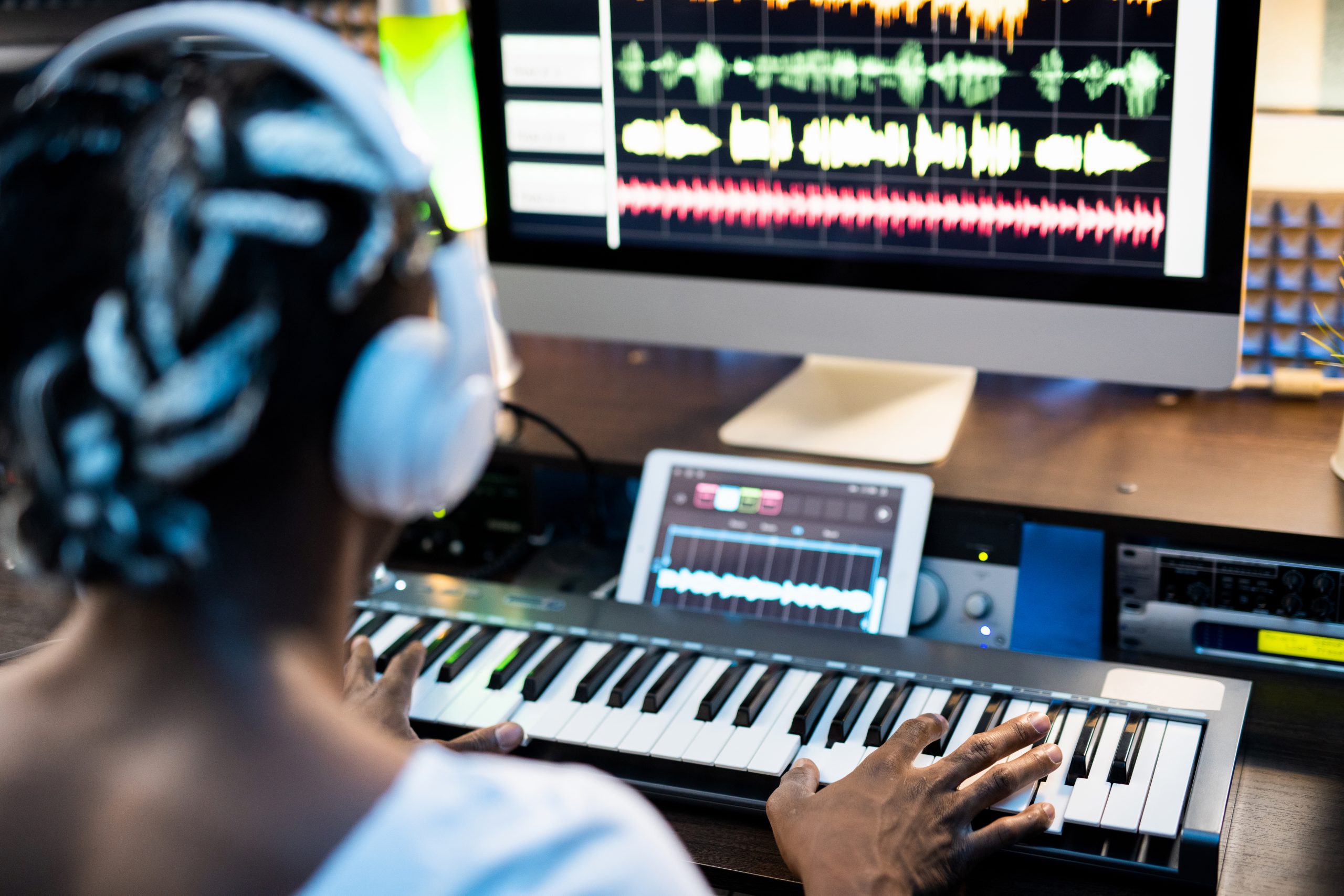
It laid the groundwork for modern home studios, enabling musicians to create full arrangements without large recording spaces.
DAWs: The Future of Production
Digital Audio Workstations like Pro Tools, Logic, and FL Studio democratized music production. Now:
- Anyone could produce music from home
- Editing became limitless
- Sound design became accessible
- Independent artists could rise without major labels
This shift paved the way for the explosion of electronic, pop, and hip-hop in the 2000s.
MP3 & File Sharing
The MP3 compressed music into manageable file sizes, sparking the rise of:
- Napster
- LimeWire
- Peer-to-peer sharing
Music became instant, portable, and global. While piracy threatened the industry, it also transformed consumption habits forever.
Streaming Platforms Change Everything
Spotify, Apple Music, and YouTube created a new musical ecosystem:
- Listeners discovered global genres
- Artists reached worldwide audiences
- Playlists replaced albums
- Data analytics shaped promotion
Streaming didn’t just change how people listened, it changed how music was created, marketed, and monetized.
Cultural Impact
Music entered everyday life more consistently than ever. With millions of tracks at their fingertips, listeners built identities based on genres from all over the world.
Short-Form Discovery
TikTok, Instagram, and YouTube Shorts reshaped:
- Music promotion
- Trends
- Virality
A 15-second clip could launch a global hit overnight. Rhythm-driven songs, catchy hooks, and emotional melodies dominate digital landscapes.
Independent Artists Take Over
Technology removed gatekeepers. With just a laptop and microphone, artists can:
- Produce
- Publish
- Promote
- Distribute
This democratization allowed countless independent musicians to rise without the backing of traditional labels.
AI-Generated Music
AI tools now compose melodies, create beats, and generate harmonies. They assist artists with:
- Songwriting
- Mixing
- Mastering
- Creative exploration
AI expands possibilities rather than replacing creativity, serving as a collaborator that never gets tired.
Spatial Audio & Immersive Listening
Dolby Atmos and 3D sound create immersive listening experiences. The future of music consumption will likely include VR concerts, holographic performances, and personalized audio environments.
Ethical Questions
With new technology comes new debates:
- Who owns AI-generated music?
- How does technology affect originality?
- Will automation dilute artistic authenticity?
The answers continue to evolve as technology advances.
In all times, technology has:
- Expanded creative freedom
- Gave life to sounds that were deafening.
- Music production that has been democratized.
- Inter-related cultures throughout the world.
- Altered the expression of artists.
- Imprinted on identity formation by the listener.
When we discuss the effects of music technology, we refer to the development of human creativity. Each new instrument, be it the vinyl or the virtual instrument, changes not just the music sound, it changes the meaning of music.
Final Thoughts
Convenience has never been a concern of music technology. It has been and always been about the expansion of imagination. With every revolution, the analog warmth gave way to the digital cutting edge, new genres, new cultures and new approaches to sound. Now that AI and immersive audio are straddling the line, it is just one thing that will not disappear as technology will keep giving musicians more and more power as well as changing the way the world hears music. The history of music is, and will always remain the history of innovation.