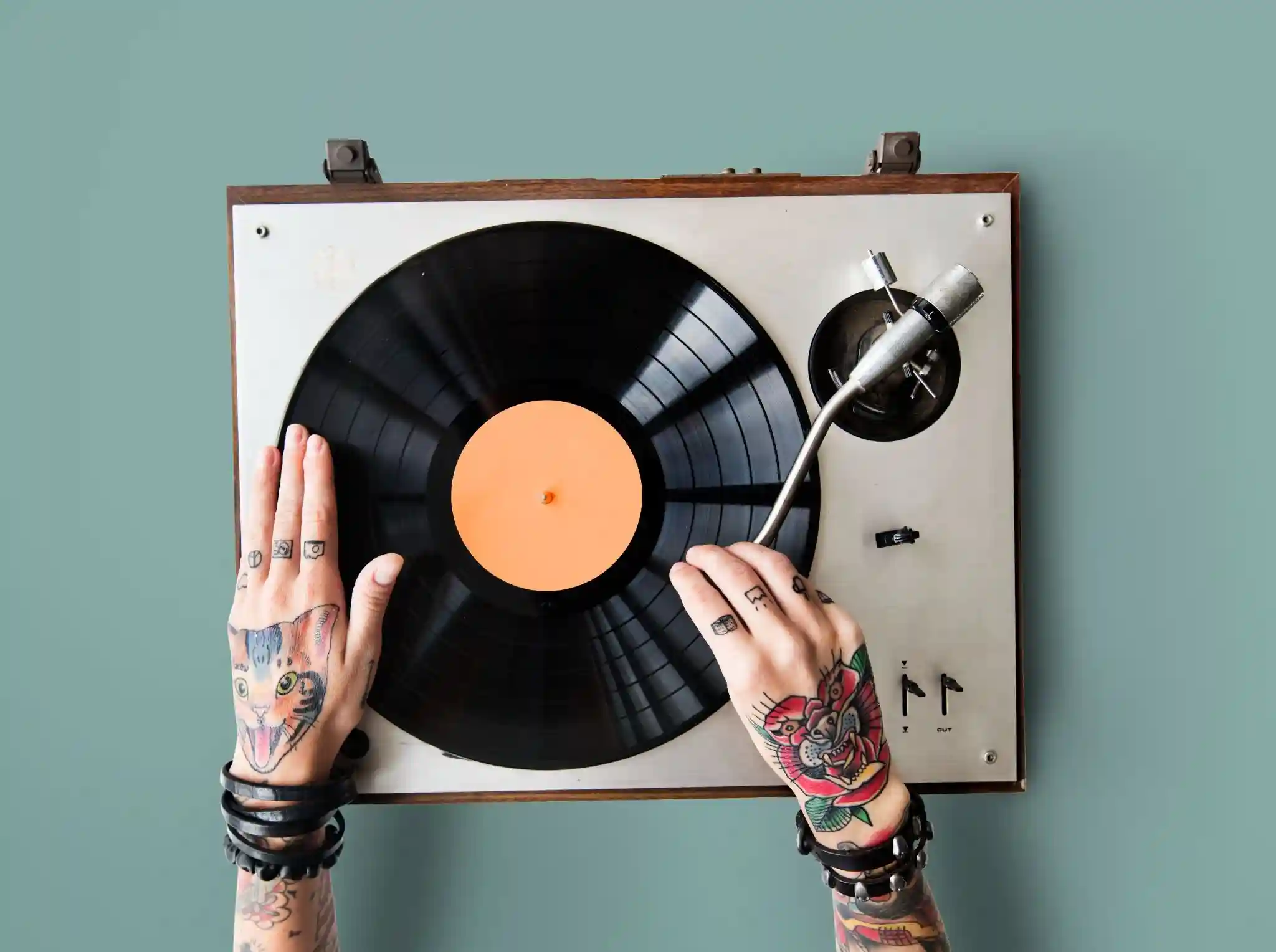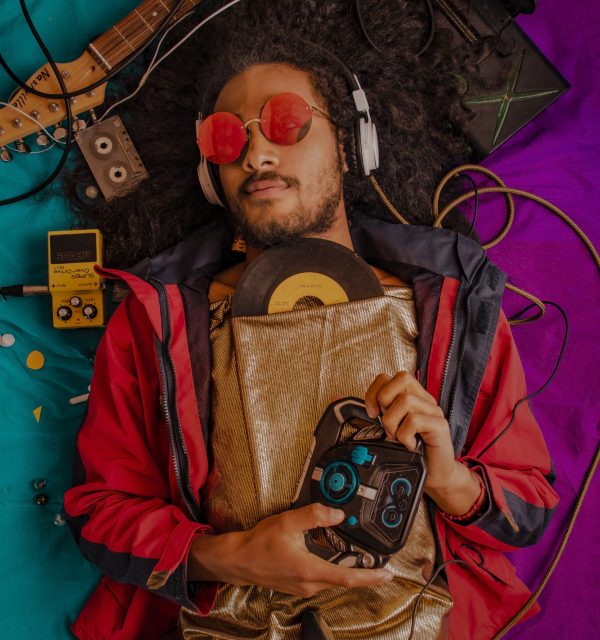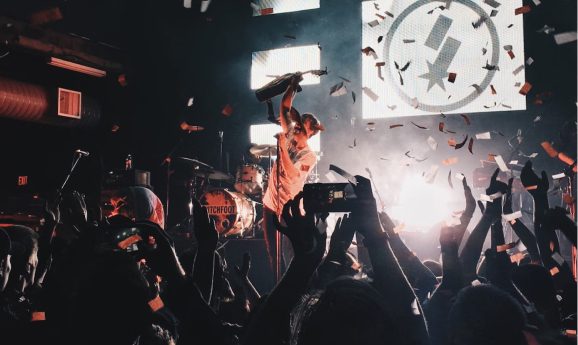


When the majority of people hear music, what comes to their mind is the trends, charts or more so, the global playlists dominated by celebrities. Below the fame, the glitzy concerts and the flowing numbers, however, there is something far more profound, which is music as culture. Music is not entertainment, it is a living record of human experience. Each tune, beat, song, and song accompaniment have the identity, struggles, desires, and ideologies of the individuals who made it. One has to learn about any community, either past or present, through its music. It is the blueprint of civilization, which is emotional.
This blog discusses the use of music as the cultural support of societies over time. We explore its influence in identity creation, intergenerational ties and community linkage across the world. And above all, we do not examine music as a kind of fame, but as a reflection of meaning.
Music as a Cultural Language
Human beings have been using sound as a means of communication way before the emergence of the written language. The first tribal rhythms were employed in alerting threats, convening groups, or in glorifying life occurrences. To the indigenous people, African tribes, Native American communities, and an endless number of other ancient civilizations, music is a necessity and not an option, it is the key to life, togetherness, and spiritual fellowship.
This practice is still in existence today. Take the example of national anthems that make people feel proud, religious songs that make people feel religious and folk songs that make people feel nostalgic. These phrases demonstrate that music is the universal language of the culture, which people understand across boundaries when the lyrics do not.
Music enables one to express what cannot be expressed using words alone joy, grief, protest, dreams, faith, love, and identity.
How Music Shapes Identity
When one mentions that he listens to hip-hop or that he is a lover of classical music, he is claiming to be part of more than a genre, he is claiming to be part of a culture.
Music forms identity in several ways:
1. Social Identity: Communities of fans are formed on taste. Consider punk culture, K-pop fan groups, jazz scenes and metal bands. These sub-cultures are similar in values, dressing styles, attitudes and even worldviews.
2. Personal Identity: Music is usually used to depict inner feelings calmness, rebellion, introspection, ambition. Questionnaires are inaccurate with regard to personality when compared to playlists.
3. Cultural Identity: The traditional music maintains the community heritage. Flamenco can be viewed as a reflection of Spain as the country with gypsy origins and reggae as the culture of resistance in Jamaica and qawwali as the spirituality of South Asian countries. These are story genres that narrate using rhythm and instruments.
Music, like any other cultural phenomenon, will be a part of us and will define our identity as we and others perceive ourselves.
Music as a Historical Archive
To learn about the ancient civilizations, scientists study the pieces of art, documents and, most importantly, music artifacts. The old folk music educates us in:
- Migration patterns
- Religious beliefs
- Social structures
- Wars and victories
- Community rituals
Music influences even contemporary history. Civil rights protest music or anti-war protest music of the 1960s or freedom chanting in revolutions etc, all reflect the mood of the era. Such songs will last longer than the events and become effective reminders of group consciousness.
Music is history you can hear.
The Role of Music in Social Movements
Music has always been a tool for unity and resistance. It can motivate, empower, and mobilize people. Examples include:
- “We Shall Overcome” during the civil rights movement
- Bob Marley’s reggae challenging political oppression
- Hip-hop’s origins, representing marginalized voices in urban communities
- Folk songs used in anti-colonial movements worldwide
In each case, music provided something vital: a shared heartbeat for people fighting for change, often through powerful bonds with audiences. This speaks to the cultural power embedded in every rhythm and melody.
Music as a Reflection of Beliefs and Rituals
Religion and spirituality thrive through sound. Whether through:
- Gospel choirs
- Islamic nasheeds
- Hindu bhajans
- Buddhist chants
- Indigenous ceremonial drumming
Music plays a central role in connecting individuals to the divine or the metaphysical. These traditions emphasize that music as culture is also music as transcendence.
Rituals like birth ceremonies, funerals, weddings, harvest celebrations, all rely on music to mark transitions. Through these rituals, music becomes part of cultural storytelling.
Globalization and the Evolution of Musical Culture
Today, cultural exchange happens instantly. You can listen to Afrobeat in New York, K-pop in London, Latin trap in Tokyo, or Arabic pop in Toronto. This blend creates hybrid musical cultures that didn’t exist before.
Globalization has created:
1. Cross-Cultural Genres: Reggaeton, Afro-fusion, Indo-jazz, Latin drill, these represent cultural collaboration.
2. Digital Cultural Communities: Fans from across continents connect through shared playlists, concerts, and online platforms.
3. New Cultural Narratives: Artists now blend heritage with modern sound, shaping global identity while preserving local culture.
Music no longer belongs to one place, it travels, adapts, and evolves.
Beyond Fame: Why Meaning Matters More
Fame is loud. Culture is quiet. Fame disappears quickly. Meaning lasts forever.
When we strip away the commercial industry, charts, awards, sponsorships, we return to music’s core purpose:
- To tell stories
- To preserve memory
- To connect people
- To express emotion
- To reflect human truth
A hit song might dominate for a season, but culturally meaningful music lasts for generations.
Think of traditional folk music, classical compositions, or spiritual chants, they have survived for centuries without a marketing campaign. This longevity comes from meaning, not popularity.
The Psychology of Cultural Connection
Humans are naturally wired for rhythm. Studies show that music triggers:
- Emotional processing
- Memory retrieval
- Social bonding hormones like oxytocin
- Stress reduction through neural relaxation
- Identity reinforcement through cultural familiarity
This means that when you hear music from your childhood, your community, or your cultural background, your brain lights up with recognition and belonging.
Music is not just a cultural artifact, it is a biological necessity.
Modern Challenges to Cultural Music
Global technology has changed music forever, and with it comes challenges:
- Cultural appropriation vs. cultural appreciation
- Commercialization overshadowing traditional art forms
- Loss of indigenous music due to modernization
- The dominance of English-language music in global spaces
- Shortened music lifespan due to fast-paced consumption
Despite these challenges, many artists and communities work to preserve their traditional music, proving that cultural identity still matters deeply.
Why Understanding Music as Culture Matters Today
Music in a language-varied, borderless, political, and ideological world is one of the few universal connectors that the human race has. Learning to listen to and value music as culture is what makes us more caring, knowledgeable, and global citizens.
It helps us to understand music as culture:
- Respect diversity
- Appreciate heritage
- Protect fading traditions
- Bridge generational gaps
- Improve cultural literacy
- Learn to be emotionally intelligent.
It shows that there is no sound without a story behind it.
Final Thoughts
Music is not just entertainment, it is the memory of humanity. It determines identity, maintains history, gives strength to movements, links cultures and conveys emotion in a manner that could not be achieved through words. You have to go through its songs, its rhythms, its stories in order to learn about society. We are able to see the bigger picture that is beyond fame, charts and trends when we enjoy music as culture. Music does not merely happen to be what we hear but it is what we know, feel and live.