
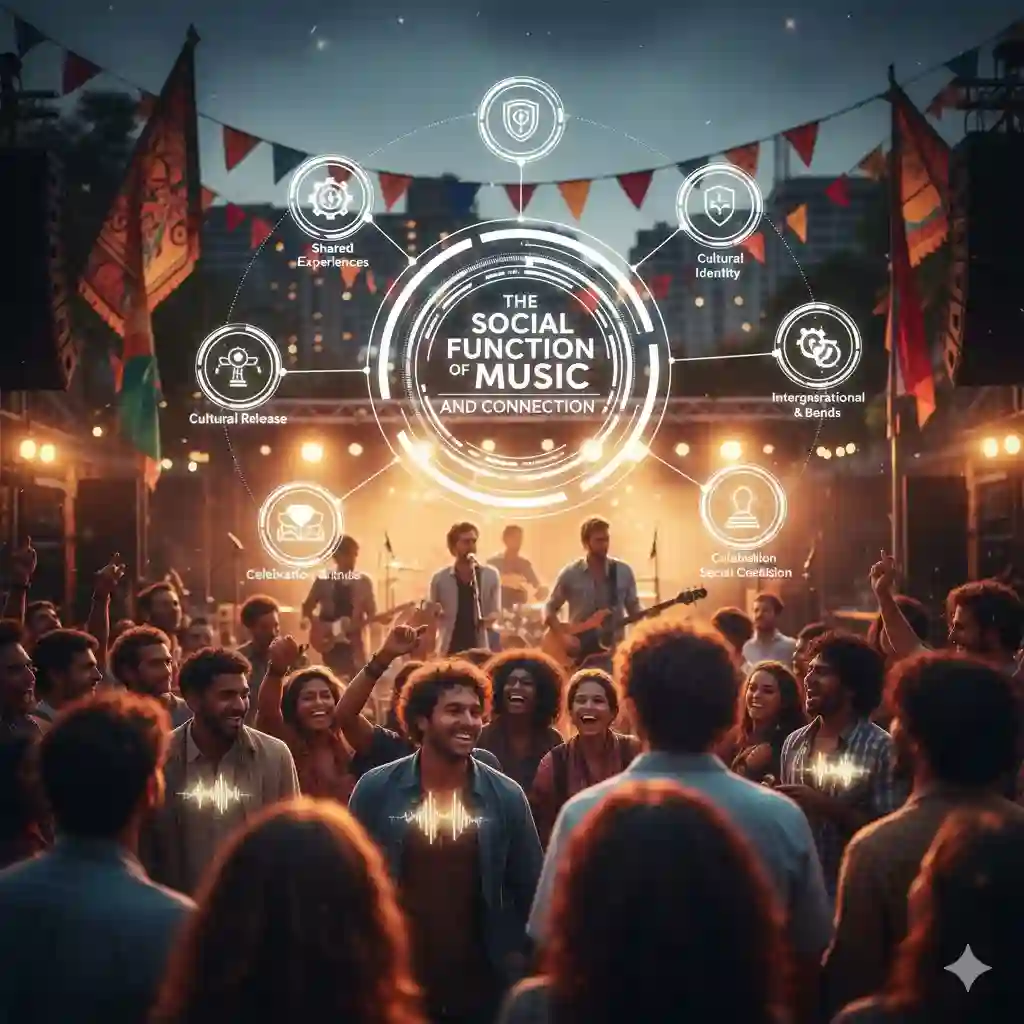
Music is an international language that respects no boundaries, cultures or generations. It has not only a social role; it is a crucial element influencing communities, building cultural identity, and establishing links between people. In this quest to understand the social role of music, we are going to look into the impact that music has on the dynamics and reflectiveness of culture, as well as reinforced interpersonal relationships.
Music as a Community Building Function
Developing and Building Common Experience
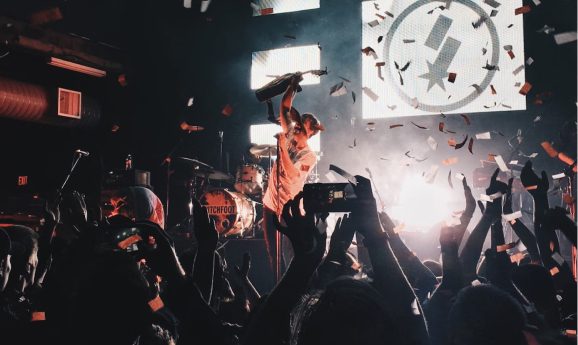
The capacity of music to generate common experiences is one of the most distinguishable social roles of music. It brings people together as concerts and festivals unite people, and music gives a feeling of belonging. Through these common experiences, they can form memories that are permanent and enhance a bonding within the community.
Real Life Case: Let us take the case of the 1980s where more than 40 musicians united to record a song to help humanity. Not only did this partnership raise millions of dollars in charity, it also brought artists and fans of various genres to the table, proving that music has the ability to bring people together.
Music as a Tool for Activism
Music has been a strong social change and activism tool. Artists of the past have taken advantage of their platforms to speak on social matters, inspire movements and organize communities. The songs can tend to represent the plight and aspirations of the society and thus they would be changed anthems.
Expert Opinion: According to musicologist Dr. Susan McClary, music frequently expresses social desires, aspirations, and complaints, and thus is a very important tool of social movement. Music has been central in promoting justice and equality since even civil rights songs are protest songs.
Music and Cultural Identity
Music is a critical form of cultural identity, it contains traditions, values, and narratives of a community. Under different genres and styles, music has been able to capture the individual experiences of different cultures, which enables people to identify with their cultures.
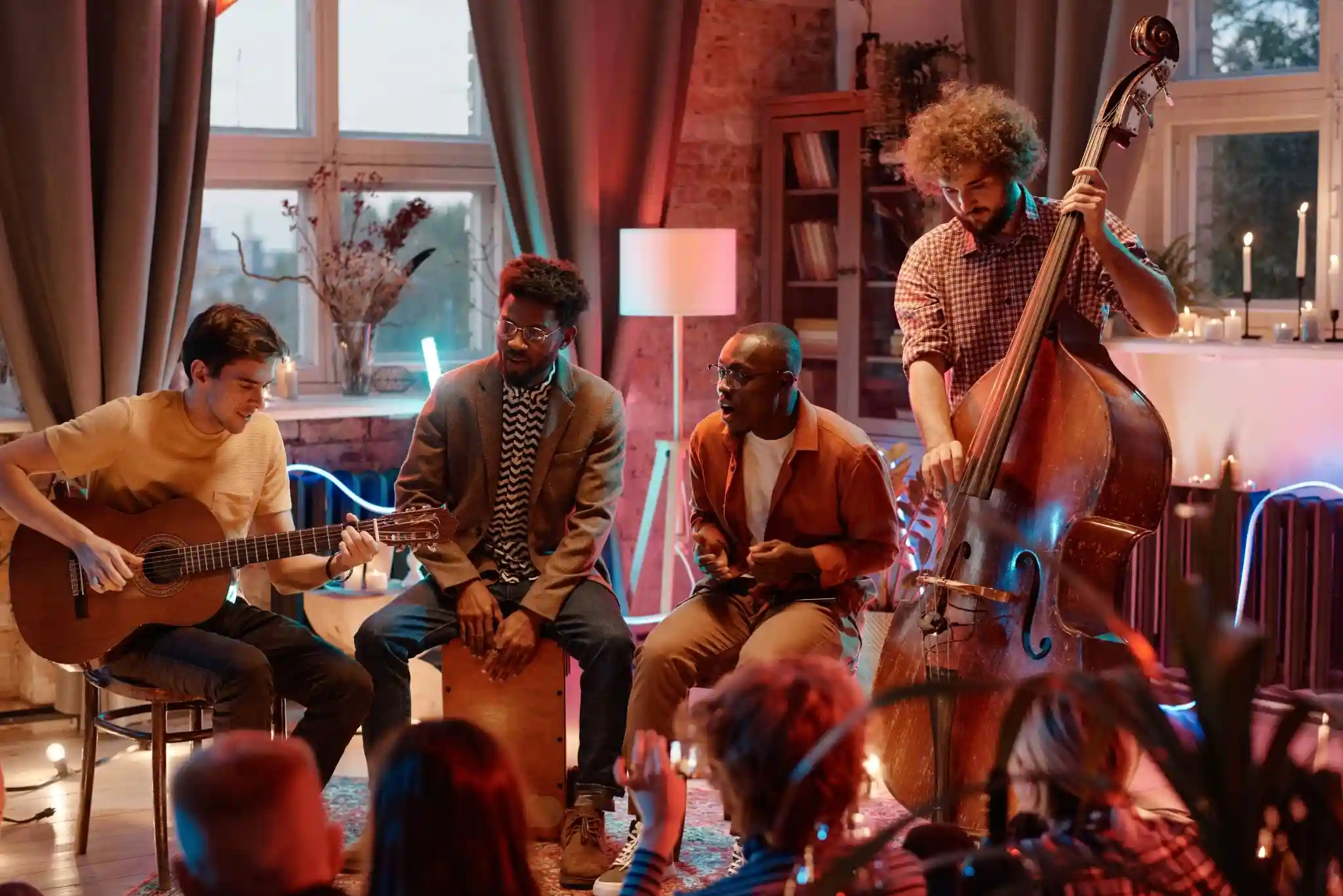
Real-Life Case: New folk music, like Irish jigs or African drumming, represents the past and traditions of certain cultures. Such forms of music not only maintain the culture of the people, but also teach others the different lifestyles, instilling in them appreciation and respect.
Bridging Generational Gaps
It is also through music that the generational gap can be filled and older and younger generations can relate through this musical experience. Although people can have different musical preferences, an emotional appeal of music can provide a lot of ground to communicate and know each other.
Professional Opinion: According to the cultural anthropologist Dr. John Blacking, music is a process of social interaction that assists individuals and groups to find their identities. Exploring music together as a family, people can also bind their relationships and have meaningful moments.
Emotional and Psychological Effect of music
The influence of music is immense on the emotional and psychological states. It is capable of arousing a great variety of feelings, including joy and excitement, nostalgia and introspection. Through this emotional appeal, people are able to relate better with one another.
Real-Life Case: Think about the way that individuals come together to sing holiday carols or dance at weddings. Such musical moments make people feel joy and connectedness, which strengthen relations between relatives and friends. Music therapy has also become one of the most effective instruments to enhance mental health that allows people to process emotions and connect with others.
Music as a Coping Mechanism
Music is usually a form of coping in a difficult situation. It can be the music that one should listen to when they are in a difficult situation and sing tracks that are inspirational, or it can be a community sing-along where people are supported and feel better.
Expert Witness: According to music therapist Dr. Barbara Wheeler, music may aid in people to express themselves in ways that would be considered challenging to make them open up. Mutual music experience in community life may build resilience and community in moments of crisis.
The Future of Music and Social Association
The Role of Technology
With the ever-growing technological progress, the social role of music is changing. Various social networking systems provide additional accessibility and networking capabilities that enable artists to access a larger global audience and can create virtual communities. The internet concerts, music streaming, and social networking have reinvented the way individuals communicate with music and with each other as well.
Real-Life Case: The emergence of virtual concerts during the COVID-19 pandemic demonstrated the importance of how technology might keep communities connected. Such artists as Charli XCX and Travis Scott organized online shows that have reached millions of people, proving that it is possible to bring people together, even when not being together.
Music in Social Movements
Social movements will probably remain one of the aspects of the future of music. Music will always be an effective means of creating awareness and solidarity in the community around critical matters as artists use their platforms to bring about change.
Conclusion
The role of music goes well beyond the entertainment aspect, it is a strong social tool, which drives community, expresses culturality, and enhances human relationships. Through the analysis of its contribution to the community building process, cultural expression and sense of emotional well being, we are able to see the immense influence that music has in our lives. To continue to the future, we will have to accept the changing nature of the music to support the relationship and knowledge in the ever-diverse society.
FAQs
1. What effects does music have on building community?
Music builds community by making people feel connected with their group by means of concerts, festivals and communal singing, making them feel a part of a group.
2. What is the secret of the cultural meaning of music?
The music represents the cultural heritage, which maintains traditions and values and enables people to reach their identity and teach people about the various cultures.
3. What can music do to enhance emotional well being?
Emotional well-being is improved through music as it arouses emotions, offers solace in difficult situations and also as a coping mechanism to people going through tough situations.