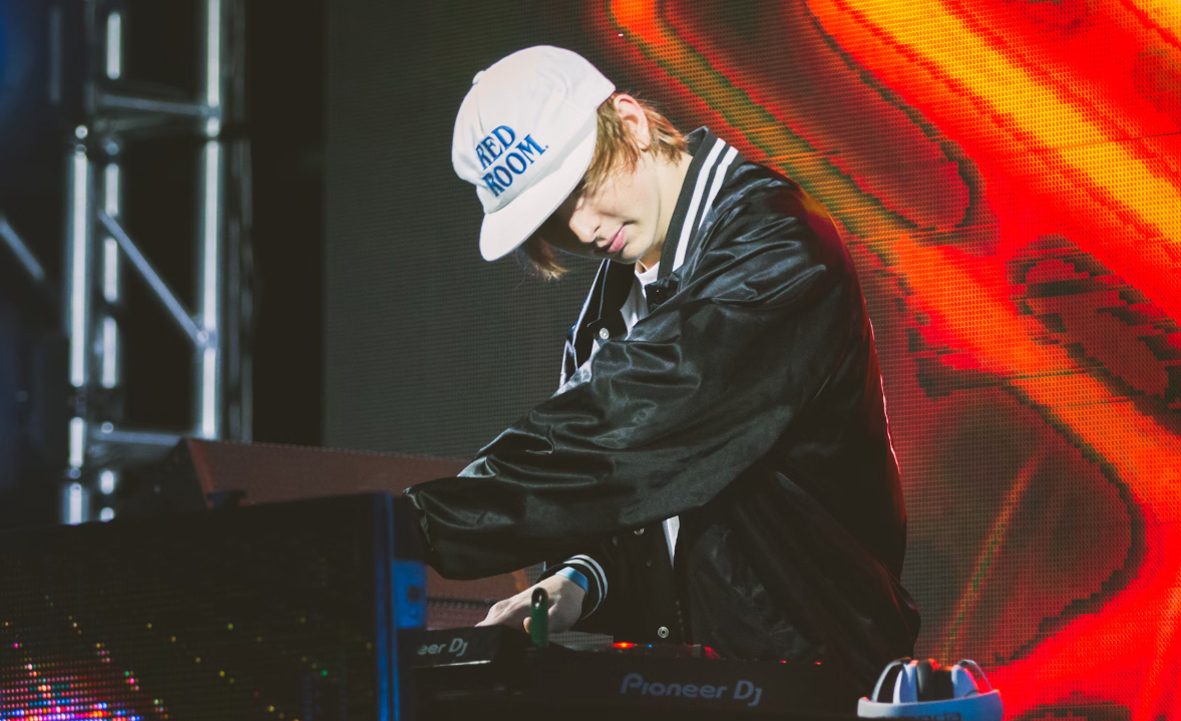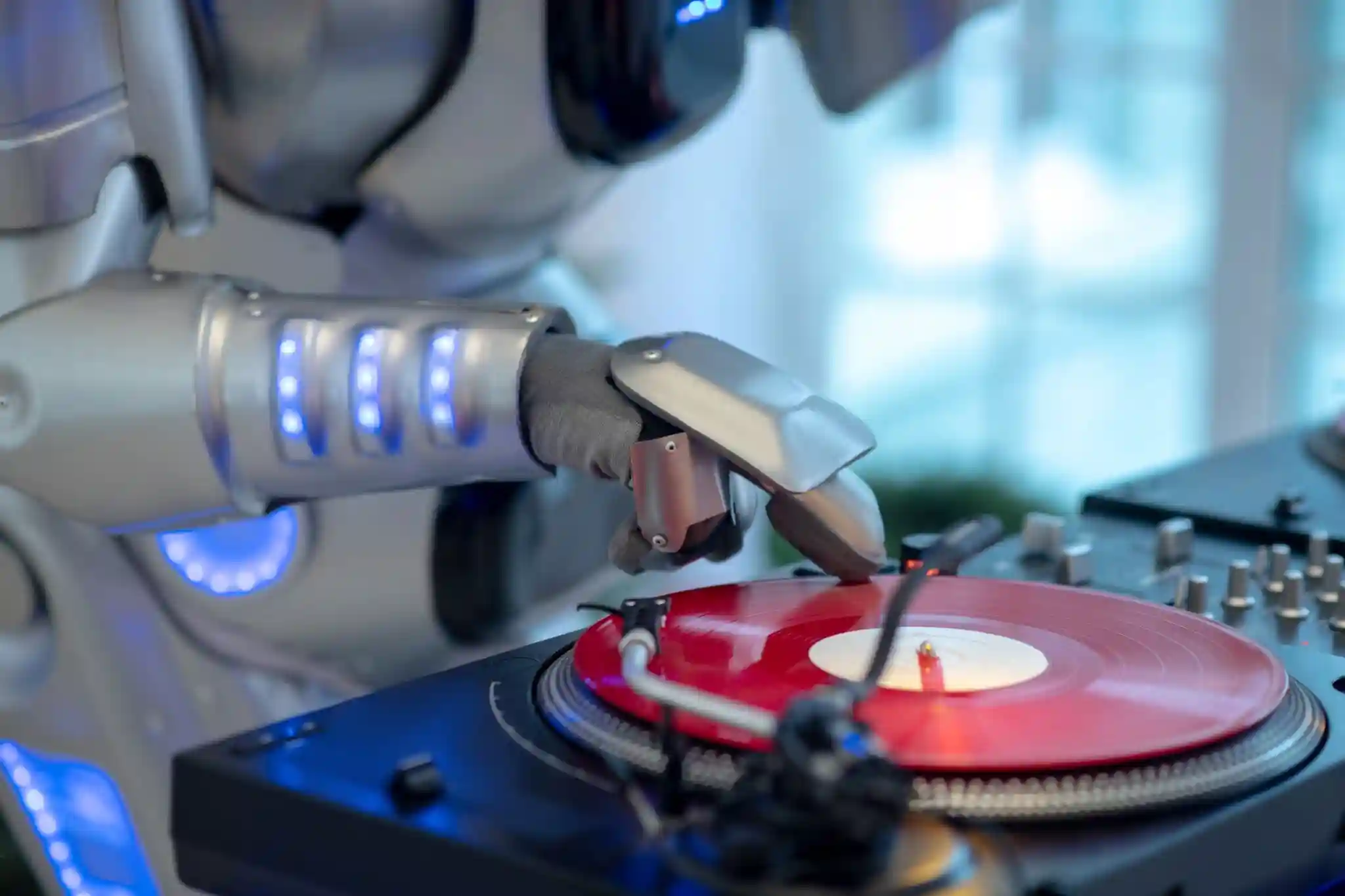


Technology and music creation tools have radically changed the landscape of music. Technology has transformed the way artists compose, produce and distribute music, since the days of analog synthesizers through to the current digital audio workstations. Not only have these innovations increased the creative potential, but make music-making democratic, allowing anyone with a computer or smartphone to mess around, create, and share work with the rest of the world.
The technological development of music creation is an indication of more general cultural, economic and artistic changes. The accessibility of software, digital tools, and virtual instruments has taken away the dependence of musicians on the use of traditional instruments or access to a studio, giving them unlimited sounds. This blog examines how technology has affected the music making process, the advantages, and the challenges and how the art of music remains being reshaped by technology.
1. The Early Technological Innovations in Music
Analog Synthesizers and Electric Instruments
The emergence of electric instruments and analog synthesizers in the middle of the 20th century provided the artists with new tonal possibilities and with a possibility to create sounds that could not be achieved with acoustic instruments. These instruments were the center stage of such genres as electronic, rock, funk and jazz fusion.
Recording Technology
The ability of artists to overdub, experiment with effects and refine recordings came with multi-track tape recorders and early studio techniques. It was during this time when the use of technology as a creative partner not merely a documentation tool was introduced.
2. The Digital Revolution in Music
Digital synthesizers, MIDI (Musical Instrument Digital Interface) and early computer-based production software were introduced in the 1980s and 1990s. Musicians acquired unprecedented dominion over:
- Tone, rhythmic tempo, and musical structure.
- Overdubbing and recording numerous tracks.
- Tricking people into thinking you have created completely new sounds using synthesized sounds.
Digital technologies reduced the entry barriers of independent artists and allowed them to control the creative process more closely.
3. Modern Music Production Tools
Today, the technology and music creation ecosystem is incredibly advanced. Artists can now produce studio-quality music from laptops or even smartphones. Key tools include:
- Digital Audio Workstations (DAWs): Software like Ableton Live, Logic Pro, and FL Studio allow recording, editing, mixing, and mastering all in one platform.
- Virtual Instruments: Software instruments replicate real instruments or create entirely synthetic sounds.
- Effects and Plugins: Reverb, delay, distortion, and other effects can be applied digitally to craft unique sonic landscapes.
These tools give creators flexibility to experiment with new sounds, textures, and production techniques.
4. AI and Algorithmic Music Creation
AI has become one of the significant advances in music production. The AI-based tools are capable of creating melodies, harmonies, rhythms, and even lyrics and support artists with new ideas or help produce them.
Benefits of AI in Music
- Motivates quicker creative procedure by creating beginnings.
- Proposes chord progressions or melodies, which were close to certain styles.
- Increases the experimentation through providing unusual blends.
Although AI does not kill human creativity, it can be a potent resource to produce and develop musical concepts.
5. The Role of Sampling and Remix Culture
Sampling, the art of taking pieces of already existing recordings, has become the foundation of new music. With technology, it is easy to manipulate samples, transform them and integrate them into new pieces.
- Hip-hop, electronic, and pop music genres are also based on the extensive use of sampling to develop new textures.
- Remix culture has enabled the old songs to find a new life in modern situations.
- Legal and ethical issues are also important in order to balance between creativity and copyright protection.
6. Accessibility and Democratization of Music Production
The technological development has reduced barriers of entry in music creation. With a laptop, smartphone or cheap interface, anyone in the world can create, produce and release music. SoundCloud, Bandcamp and Spotify are some of the platforms providing artists with a distribution model without the need of record labels.
Advantages
- Encourages diversity and experimentation by independent artists.
- Connects musicians directly with audiences.
- Reduces financial and logistical barriers to production.
7. Challenges of Technology in Music
Despite its benefits, technology introduces unique challenges in music creation:
- Over-reliance on software: Excessive digital manipulation can lead to formulaic or unnatural sounds.
- Learning curves: Modern production tools are complex and require technical proficiency.
- Saturation of content: With easier production and distribution, standing out in a crowded digital space is increasingly difficult.
Artists must balance technological tools with traditional musical skills and originality to create compelling music.
8. Collaboration in the Digital Era
Global collaboration can be done globally through technology. The geographic barriers can be eliminated because artists can collaborate with producers, instrumentalists, and singers belonging to other countries. DAWs, file sharing platforms, and virtual instruments that are built over the cloud enable easy combinations of ideas, which increases creativity.
- Teamwork is what results in genre blending and multicultural music.
- The remote sessions enable artists to keep productive even when separated by distance.
- Online communication makes it possible to receive feedback immediately and develop the compositions in an iterative manner.
9. How Technology Shapes Genres and Trends
Innovation in music creation has influenced the evolution of musical genres:
- Electronic Dance Music (EDM) relies heavily on synthesizers, samples, and digital production.
- Modern pop integrates digital effects, vocal tuning, and programmed instrumentation.
- Lo-fi, chillwave, and experimental genres thrive in digital production spaces.
The interplay between technology and creativity ensures that musical styles continue to evolve, reflecting contemporary culture and technological advancements.
10. Future Directions in Music Technology
Emerging technologies promise further transformation in music creation:
- Virtual reality (VR) and immersive audio: Enabling new listening experiences and interactive compositions.
- AI co-creation tools: Offering suggestions for melody, harmony, and rhythm in real time.
- Blockchain and NFTs: Transforming music ownership, royalties, and artist compensation.
The future of music creation will likely blend human creativity with increasingly sophisticated technological tools, expanding possibilities for artistic expression.
FAQs
1. How has technology changed the way artists compose music?Technology offers such tools as DAWs, virtual instruments, and AI-assisted composition to enable artists to experiment with melodies, harmonies and production techniques. These instruments make the production process faster, make the range of sounds wider, and facilitate teamwork, which eventually leads to innovative compositions that could not be initially created or were too time-consuming.
2. Can technology replace human creativity in music?Technology can help people to create music better, but it cannot substitute the emotional and imaginative part of human creativity. Artificial intelligence and software can produce ideas and automate, but the personal vision, feeling and narrative of the artist is the key to creating meaningful and memorable music.
Conclusion
Technology has changed the way music is composed, produced and shared by artists; this is the convergence of technology and music creation. Since the first analog devices, technology has been enlarging the scope of musical expression to allow innovation and creativity at the global level.
The knowledge of these developments is of vital importance to artists who want to improve their competencies to remain competitive in an industry that changes at a pace. Technology offers such possibilities, as experimenting with sound, working in borders, and touching people globally. However, the nature of music is still human-oriented because it is fueled by emotion, narrative, and art vision. Through responsibility and creativity in adopting technology, musicians will be able to go further and replicate the soundscape of tomorrow.