
Phonk has grown from an underground style into a global internet-driven genre. It appears in TikTok edits, gaming montages, and short-form videos across every platform. Its raw energy, distorted bass, and nostalgic samples make it instantly recognizable.
This rise has also created a demand for phonk beat software tools. Many new producers want to recreate that aggressive, atmospheric sound but often do not know where to start. The challenge is not just creativity but also choosing the right production environment.
The truth is simple. You do not need the most expensive setup to make good phonk. You need the right combination of software, samples, and workflow. Once these elements work together, the sound becomes much easier to achieve.
Understanding the Sound of Phonk Music
Phonk is heavily influenced by Memphis rap from the 1990s. It combines chopped vocals, lo-fi textures, and dark atmospheric elements with modern trap-style drums. The result is a gritty but rhythmic sound.
The genre usually relies on a slow to mid tempo range, often between 130 and 170 BPM. However, what defines it more than tempo is texture. Distorted 808s, cowbells, reversed samples, and heavy saturation are core elements.
Production tools matter here because phonk is not a clean genre. It depends on controlled distortion, intentional noise, and creative sampling. Without the right software, achieving this balance becomes difficult.
Essential Components of a Phonk Production Setup
A functional phonk setup is built on three core elements: a DAW, sample sources, and effects tools.
Digital Audio Workstation (DAW) as the Core Environment
The DAW is where everything happens. It is your workspace for arranging, editing, and mixing beats. Without it, production is not possible.
In phonk production, DAWs are especially important because layering and sound manipulation are central to the style. You need a platform that handles samples, MIDI, and effects smoothly.
Sound Libraries and Sample Packs
Samples are the backbone of phonk. Most producers rely heavily on drum kits, vocal chops, and ambient loops. These elements define the genre’s identity.
High-quality sample packs save time and help beginners understand structure faster. Many viral phonk beats are built from carefully selected sample combinations rather than complex instrumentation.
Effects and Plugins
Effects shape the character of the sound. Distortion, reverb, pitch shifting, and saturation are essential. Without them, phonk loses its signature gritty feel.
Plugins allow producers to manipulate simple sounds into complex textures. This is where creativity becomes more important than technical knowledge.
Best DAWs for Creating Phonk Beats
Choosing the right DAW is one of the most important decisions when working with phonk beat software tools.
FL Studio for Beginner-Friendly Beat Making
FL Studio is the most popular DAW among hip-hop and phonk producers. Its step sequencer makes drum programming fast and intuitive.
It is also highly flexible for sampling, which is essential in phonk production. Many beginners prefer it because it allows quick experimentation without technical barriers.
Ableton Live for Experimental Sound Design
Ableton Live is known for creative flexibility. It excels at looping, real-time manipulation, and sound design.
For phonk producers who want to push boundaries or create experimental variations, Ableton offers powerful tools. It is slightly more complex but extremely versatile.
Logic Pro for Structured Production Workflows
Logic Pro is a professional-grade DAW used mainly on Mac systems. It offers high-quality built-in instruments and effects.
It is ideal for producers who prefer a structured workflow and clean interface. While not as common in phonk culture, it is still highly capable.
Must-Have Plugins for Phonk Beat Production
Plugins define the texture and atmosphere of phonk music.
Distortion and Saturation Plugins
Distortion is essential for creating the raw energy of phonk. It adds grit to drums, bass, and samples.
Saturation plugins help simulate analog warmth and tape-like imperfections. This is crucial for achieving the lo-fi aesthetic.
EQ and Compression Tools
EQ is used to balance frequencies, especially in heavy bass environments. Compression helps control dynamics and make drums hit harder.
Without proper EQ and compression, phonk tracks can become muddy or overwhelming.
Pitch and Time Manipulation Plugins
Pitch shifting is used heavily in vocal chops. Time stretching helps create slow, eerie effects that define the genre.
These tools allow producers to reshape samples creatively rather than just using them as they are.
Drum Kits and Sample Packs for Phonk Sounds
Samples are arguably more important than instruments in phonk production.
Cowbell Samples and Signature Percussion
Cowbells have become one of the most recognizable elements in modern phonk. They cut through heavy bass and create rhythmic hooks.
Many viral beats rely heavily on cowbell patterns layered with distorted drums.
Vintage Memphis Rap Vocal Samples
Phonk often uses chopped and pitched vocals from old Memphis rap recordings. These add authenticity and nostalgia.
The raw vocal texture is a key emotional element in the genre.
Lo-Fi Ambient and Horror Textures
Background textures like vinyl crackle, rain, or dark pads create atmosphere. These sounds are subtle but essential for depth.
Without them, phonk beats often feel empty or too clean.
Sound Design Techniques Used in Phonk Production
Phonk production is less about melody and more about texture and rhythm.
Layering drums is a common technique to create impact. Multiple kick and snare layers give beats more weight.
Producers also use vinyl noise and tape effects to add aging and imperfection. This helps achieve the lo-fi aesthetic.
BPM selection is also important. Slower tempos create a darker mood, while faster tempos increase energy for edits and viral content.
Free vs Paid Phonk Beat Software Tools
Free tools are often enough for beginners. Many DAWs offer free versions with basic features.
However, paid software provides better sound libraries, more effects, and higher stability. Professional producers usually upgrade over time as their skills improve.
The key difference is not creativity but efficiency. Paid tools reduce limitations, but free tools can still produce high-quality beats if used well.
Mobile Apps for Phonk Beat Making
Mobile production has become more popular in recent years. Apps allow quick beat creation without a full studio setup.
These apps are useful for sketching ideas but are limited compared to desktop DAWs. They lack advanced mixing and plugin support.
Still, they are valuable for beginners or producers who want to experiment on the go.
Workflow Strategy for Efficient Phonk Production
A structured workflow helps speed up production.
Most producers start with drum patterns, then build basslines and melodies. After that, they add effects and atmospheric layers.
Organization is also important. Managing samples and projects properly saves time and prevents creative overload.
One common mistake is overprocessing. Phonk should feel raw, not overly polished.
Common Mistakes in Phonk Beat Production
One major mistake is using too much distortion. While distortion is important, excessive use destroys clarity.
Another issue is poor low-end control. Without proper mixing, bass frequencies can overwhelm the entire track.
Many beginners also choose random samples without considering how they fit together. This leads to cluttered and unfocused beats.
Hardware That Can Improve Phonk Production
While software is the core, hardware can improve workflow.
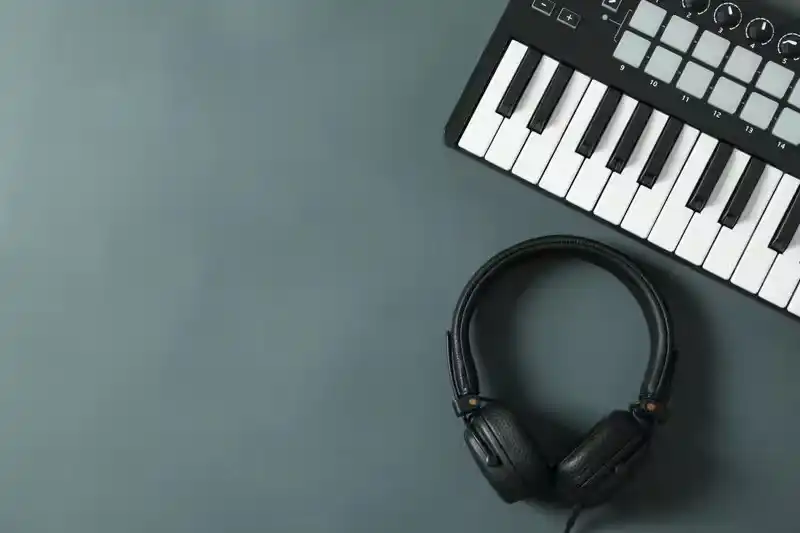
MIDI controllers make drum programming more intuitive. Studio headphones help producers hear accurate bass and detail.
Audio interfaces improve sound quality and reduce latency. These tools are not mandatory but enhance precision.
Advanced Production Techniques in Modern Phonk
Modern phonk has evolved into subgenres like drift phonk. These styles use faster tempos and more aggressive bass.
Sidechain compression is used to create pumping effects in basslines. Stereo imaging helps widen the sound and create space.
Reverse samples and glitch effects are also common, adding unpredictability to the beat structure.
Monetization and Career Paths in Phonk Music
Phonk producers often monetize through beat marketplaces like BeatStars. Selling instrumentals is a common entry point.
Sync licensing is another opportunity. Phonk is widely used in gaming videos and social media content.
Building an audience on platforms like TikTok and YouTube Shorts can also lead to organic growth and income.
Conclusion
Choosing the right phonk beat software tools is less about complexity and more about workflow. A simple setup with a good DAW, strong sample packs, and a few reliable plugins is enough to start producing high-quality beats.
Creativity matters more than expensive equipment. Many viral phonk tracks are made with basic tools but strong sound design decisions.
The best approach is to start simple, learn the fundamentals, and gradually expand your toolkit as your style develops.
FAQs
1. What is the best DAW for making phonk beats?
FL Studio is the most popular choice due to its easy drum programming and sampling tools, but Ableton Live and Logic Pro also work well depending on workflow preference.
2. Do I need expensive software to make phonk music?
No, you don’t. Many producers start with free or affordable DAWs and still create high-quality phonk beats using good samples and effects.
3. What plugins are most important for phonk production?
Distortion, saturation, EQ, compression, and pitch-shifting plugins are essential for creating the raw, lo-fi, and aggressive phonk sound.
4. Can I make phonk beats on a mobile phone?
Yes, mobile apps allow basic beat creation, but they are limited compared to desktop DAWs in mixing, effects control, and overall production quality.
5. Where do phonk producers get their samples?
Most use sample packs, drum kits, and vintage Memphis rap vocals from online libraries, marketplaces, or curated free resources shared by producers.