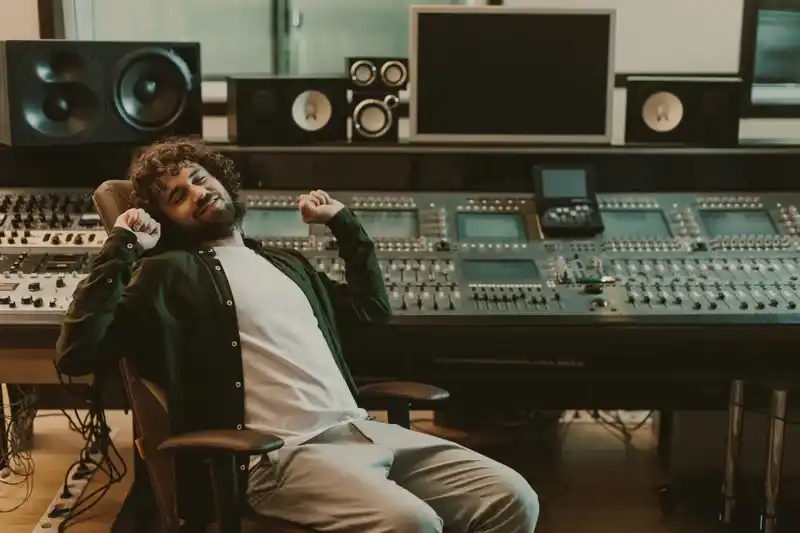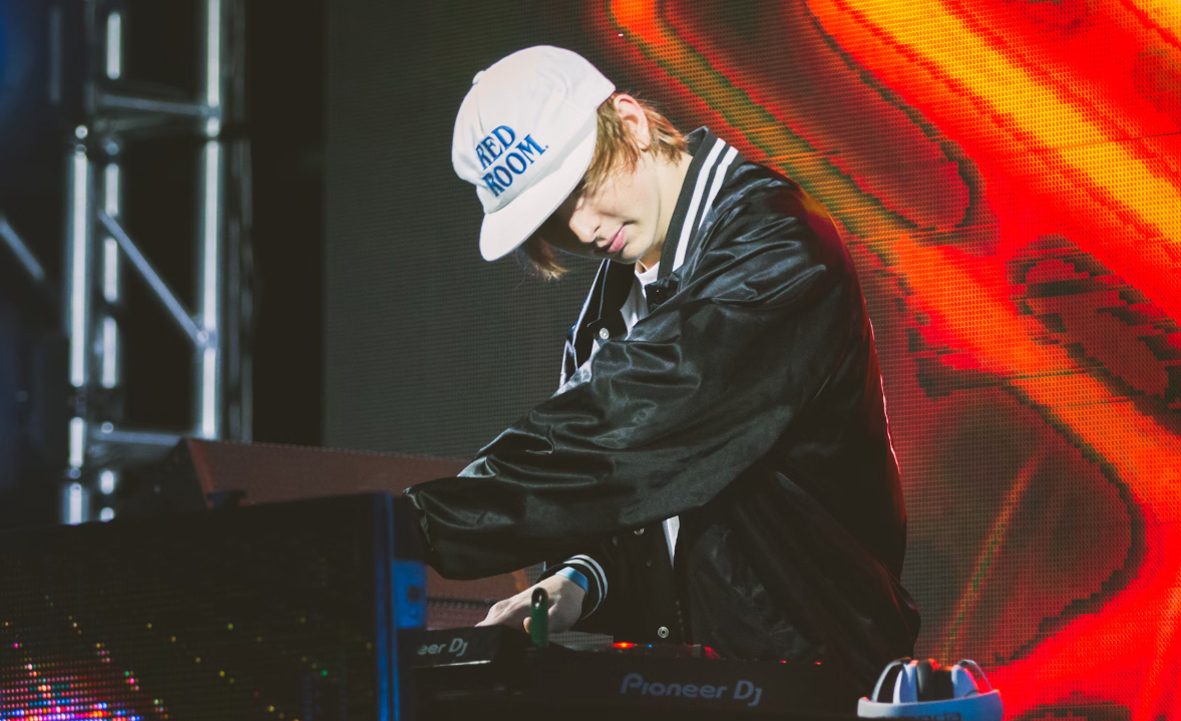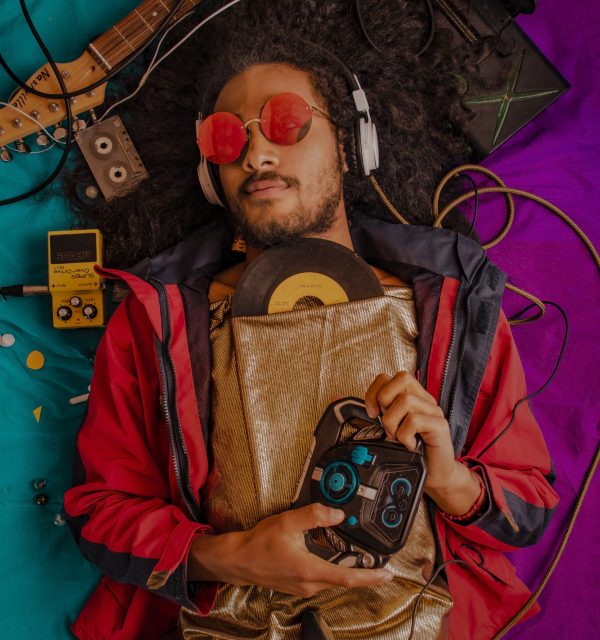

Phonk music has emerged as a captivating genre that blends elements of hip-hop, Memphis rap, and lo-fi aesthetics, creating a unique sound that resonates with many listeners today. For beginners interested in producing phonk beats at home, the journey can seem daunting. However, with the right tools, techniques, and a passion for creativity, anyone can dive into this genre and start making their own tracks. This guide will walk you through the essential steps, from understanding phonk music to crafting your first beats and sharing them with the world.
Introduction to Phonk Music
What is Phonk?
Phonk is a genre rooted in the underground scenes of hip-hop, characterized by its gritty sound, heavy use of sampling, and nostalgic elements drawn from 90s Memphis rap. It often features distorted vocals, deep basslines, and atmospheric textures that create a moody, immersive experience. The genre has evolved significantly, incorporating influences from trap, lo-fi hip-hop, and even electronic music, making it a versatile and dynamic style for producers to explore.
The Origins and Evolution of Phonk
The origins of phonk can be traced back to the early 1990s in Memphis, Tennessee, where artists like DJ Smokey and Three 6 Mafia began experimenting with darker, more atmospheric sounds. Over the years, the genre has gained traction, especially within the online community, where platforms like SoundCloud and YouTube have provided a space for emerging artists to showcase their work. Today, phonk continues to evolve, drawing on various influences and adapting to the tastes of new generations.
Essential Equipment for Producing Phonk Beats
Choosing Your Digital Audio Workstation (DAW)
The first step in producing phonk beats is selecting a Digital Audio Workstation (DAW). A DAW is the software that allows you to arrange, edit, and produce your music. Popular choices among phonk producers include FL Studio, Ableton Live, and Logic Pro. Each of these platforms has its strengths, so it’s essential to choose one that aligns with your workflow preferences. FL Studio is particularly favored for its user-friendly interface and powerful features for beat-making, making it an excellent choice for beginners.
Recommended Hardware and Software Tools
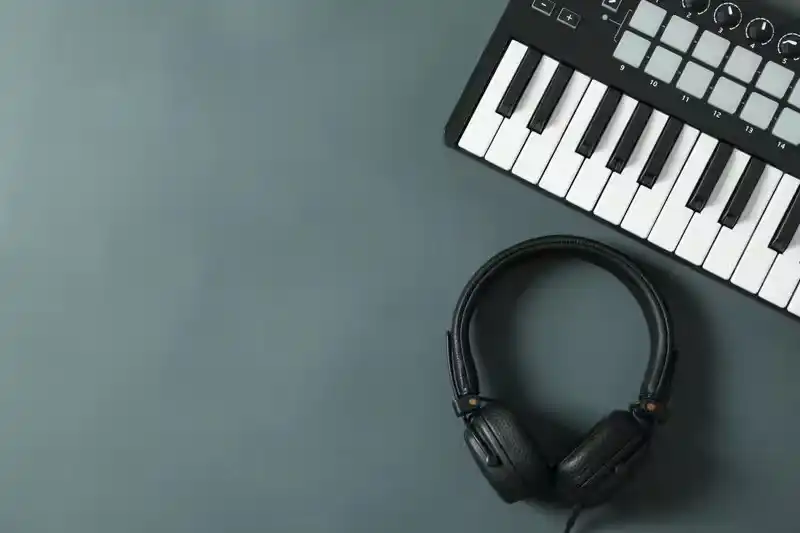
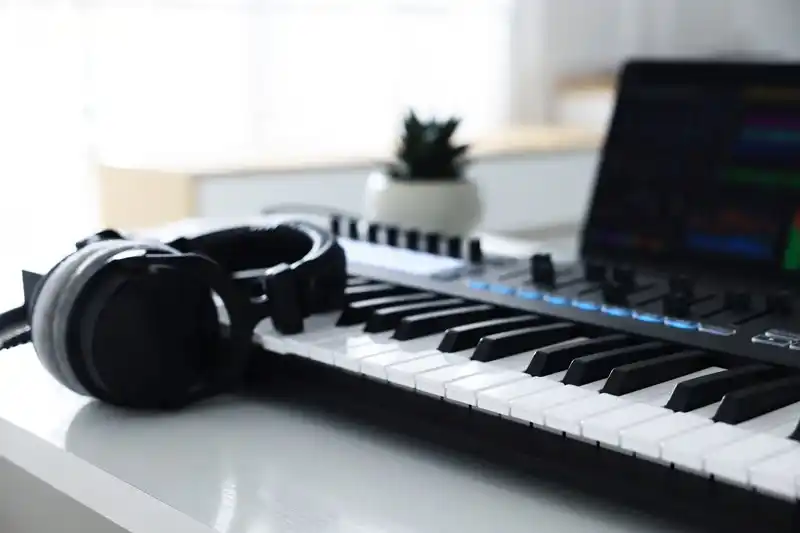
In addition to your DAW, you’ll need some basic hardware and software tools to get started. A MIDI keyboard can be incredibly useful for creating melodies and drum patterns, while a good pair of studio monitors or headphones will help you accurately hear your mixes. For software, consider investing in high-quality drum kits, sample packs, and virtual instruments that can replicate the sounds commonly found in phonk music. Websites like Splice and Loopmasters offer a wide range of samples that can be integrated into your productions.
Key Elements of Phonk Beats
Understanding the Rhythm and Tempo
Phonk beats typically range from 90 to 110 BPM (beats per minute), providing a laid-back yet engaging rhythm. Understanding the tempo is crucial for creating the right groove in your tracks. As you begin producing, experiment with different drum patterns and rhythms to find what resonates with your style. Pay attention to how the kick, snare, and hi-hat interact to create a cohesive beat.
Sampling: The Heart of Phonk Production
Sampling is a cornerstone of phonk music production. Many phonk tracks draw from old-school hip-hop, soul, and funk records, capturing the essence of those genres while infusing them with modern elements. When selecting samples, look for catchy hooks, vocal snippets, or instrumental sections that evoke nostalgia. Be mindful of copyright issues and consider using royalty-free samples or clearing licenses for any copyrighted material you wish to use.
Crafting Your First Phonk Beat
Starting with Drum Patterns
To create your first phonk beat, start by laying down a solid drum pattern. Begin with a kick drum that hits hard, followed by a snare that provides a sharp contrast. Layering hi-hats with varying velocities can add a sense of movement and energy to your beat. Experiment with different placements and rhythms until you find a pattern that feels right. Remember, the goal is to create a groove that compels listeners to nod their heads.
Layering Melodies and Samples
Once you have your drum pattern established, it’s time to layer melodies and samples on top. Consider using a simple chord progression or a catchy melody that complements your rhythm. You can also incorporate vocal samples or atmospheric textures to add depth to your track. Don’t be afraid to experiment with effects like reverb and delay to create a more immersive sound. The layering process is where your creativity can shine, so trust your instincts and have fun with it.
Mixing and Mastering Your Phonk Beats
Basic Mixing Techniques for Phonk
Mixing is a crucial step in ensuring your phonk beats sound polished and professional. Start by balancing the levels of each element in your track, ensuring that no single sound overwhelms the others. Pay attention to EQ settings, using high-pass filters to remove unnecessary low frequencies from non-bass elements, and boosting frequencies that enhance the character of your sounds. Panning different elements can also create a sense of space in your mix.
Mastering Your Track for Distribution
Once your mix is complete, mastering is the final step to prepare your track for distribution. Mastering involves applying compression, limiting, and EQ to ensure that your track sounds good across various playback systems. It’s essential to maintain dynamic range while ensuring your track has the necessary loudness for streaming platforms. If you’re new to mastering, consider using online services or tutorials to guide you through the process.
Finding Your Unique Style in Phonk
Experimenting with Different Sounds
As you become more comfortable producing phonk beats, take the time to experiment with different sounds and styles. Phonk is a genre that thrives on creativity, so don’t hesitate to explore unconventional samples or incorporate elements from other genres. This experimentation will help you develop a unique sound that sets you apart from other producers.
Influences and Inspirations in Phonk Music
Draw inspiration from established phonk artists and tracks that resonate with you. Listen to how they structure their beats, use samples, and mix elements to create their signature sound. You can also explore other genres and incorporate those influences into your phonk productions. The more diverse your musical influences, the richer your sound will become.
Sharing Your Phonk Beats with the World
Platforms for Sharing Your Music
Once you have created a few phonk beats that you’re proud of, it’s time to share them with the world. Platforms like SoundCloud, Bandcamp, and YouTube are excellent for showcasing your work and reaching potential listeners. Consider creating social media accounts specifically for your music to engage with your audience and share updates about your projects.
Engaging with the Phonk Community
Joining the phonk community can provide valuable support and opportunities for collaboration. Engage with other producers and fans through forums, social media groups, and online events. Sharing your journey and learning from others in the community can enhance your skills and open doors for collaboration on future projects.
Conclusion
Starting your journey in producing phonk beats is an exciting adventure filled with creativity and self-expression. Embrace the learning process, and remember that every producer was once a beginner. As you gain experience, continue to refine your skills, experiment with new ideas, and most importantly, enjoy the creative process. Your unique voice in the world of phonk music is waiting to be heard.
Frequently Asked Questions
What software do I need to start producing phonk beats?
To start producing phonk beats, you’ll need a Digital Audio Workstation (DAW) like FL Studio, Ableton Live, or Logic Pro. Additionally, consider acquiring sample packs and virtual instruments to enhance your sound.
How can I improve my phonk production skills?
Improving your phonk production skills involves practice and exploration. Experiment with different sounds, study tracks from established artists, and seek feedback from the community. Online tutorials and courses can also provide valuable insights.
Are there any resources for learning more about phonk music?
Yes, there are numerous resources available for learning more about phonk music. YouTube channels, online forums, and music production websites often provide tutorials, sample packs, and insights into the genre’s history and techniques.